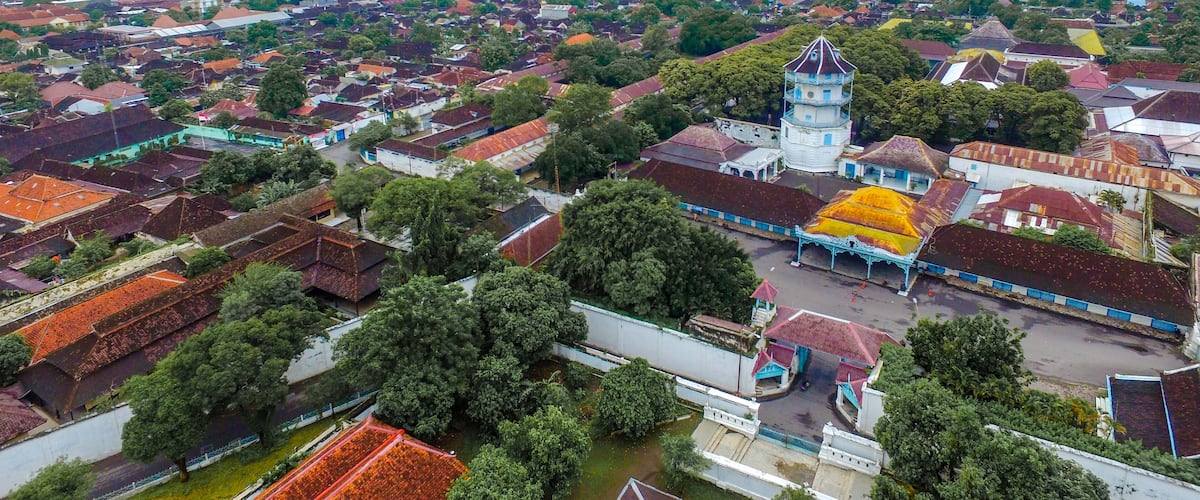
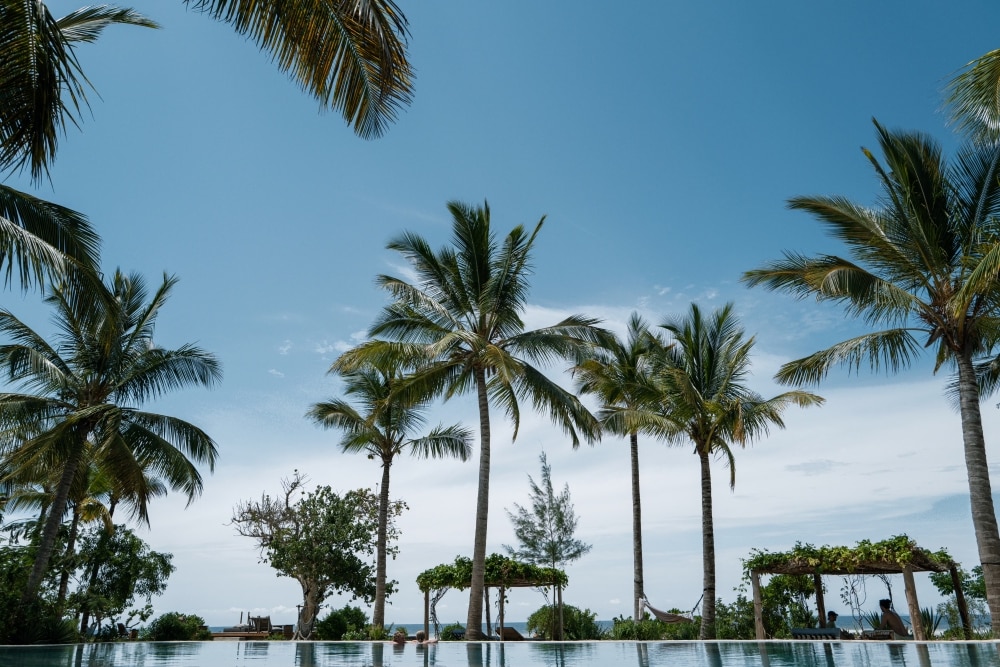
Photo de Sharrie Shaw
Trouvez des hôtels à Surakarta à partir de 7 €
- Changez d’avisRéservez des hôtels avec annulation gratuite.
- Faites-vous plaisirConnectez-vous pour économiser 10 % ou plus sur des milliers d’hôtels.
- Trouvez votre bonheurFaites votre choix parmi près d’un million d’hébergements dans le monde entier.
Surakarta : optez pour un hébergement qui change de vos habitudes
Consultez les prix pour ces dates
Ce soir
Demain
Le week-end prochain
Dans deux semaines
Hôtels à Surakarta

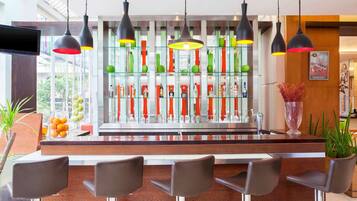
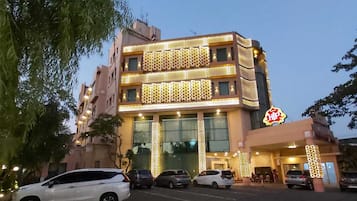
Rumah Batu Boutique Hotel
Baki
9.0 sur 10, Merveilleux, (9)

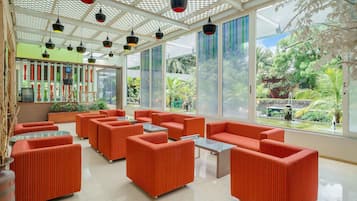
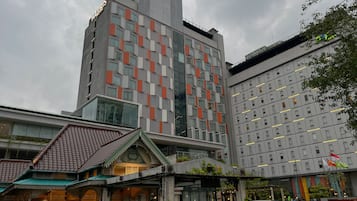
Grand Mercure Solo Baru
Grogol
8.6 sur 10, Excellent, (76)
Le nouveau prix est de 45 €
taxes et frais compris
20 déc. - 21 déc.

Arini Hotel
Surakarta
7.6 sur 10, Bien, (8)
Le nouveau prix est de 12 €
taxes et frais compris
13 déc. - 14 déc.

LOA Living Solo Baru
Grogol
10.0 sur 10, Exceptionnel, (1)
Le nouveau prix est de 46 €
taxes et frais compris
15 déc. - 16 déc.

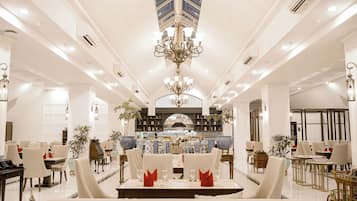
Sahid Jaya Hotel Solo
Centre-ville de Solo
7.2 sur 10, Bien, (24)

Lorin Solo Hotel
Colomadu
Prix par nuit le plus bas trouvé au cours des 24 dernières heures sur la base d’un séjour d’une nuit pour 2 adultes. Les prix et la disponibilité sont susceptibles de changer. Des conditions supplémentaires peuvent s’appliquer.
Super offres de week-ends à l’hôtel à Surakarta
Offres affichées :du 19 déc. au 21 déc.
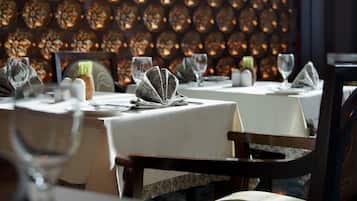
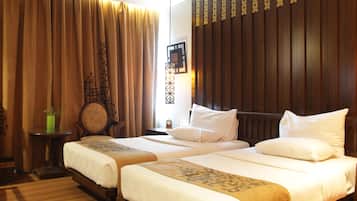
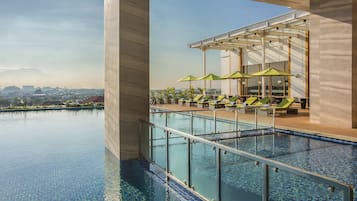
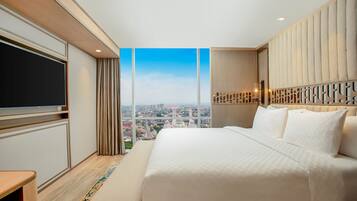
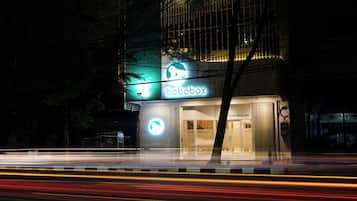
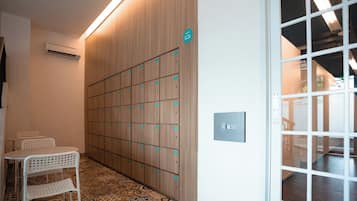
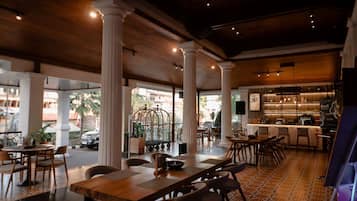
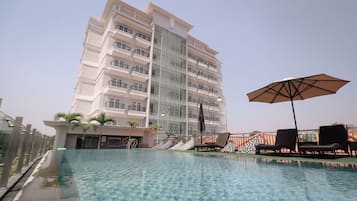
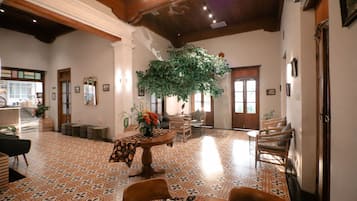
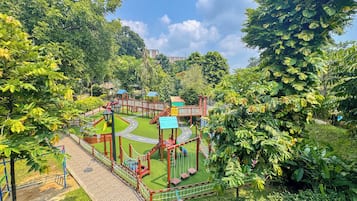
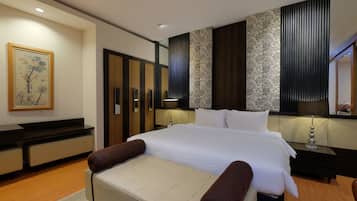
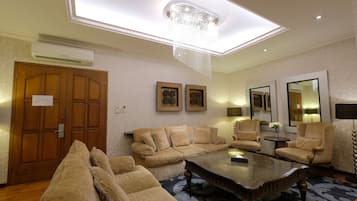
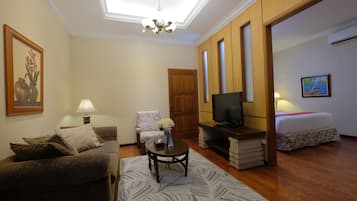
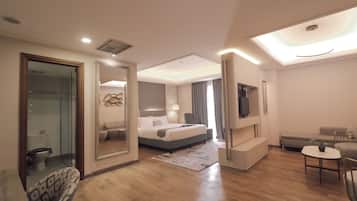
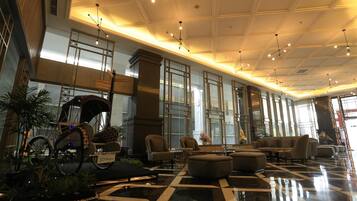
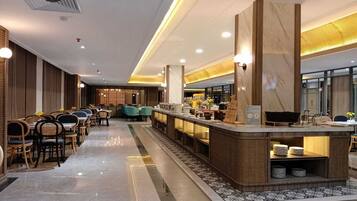
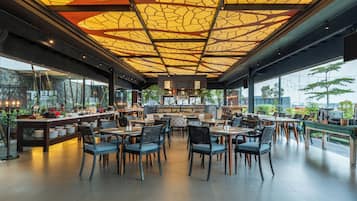
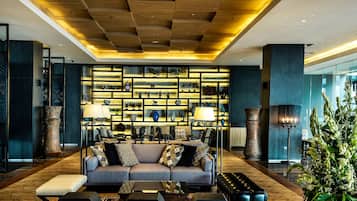
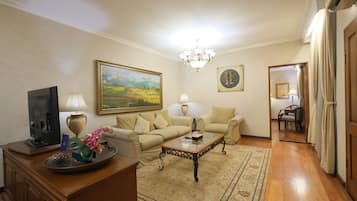
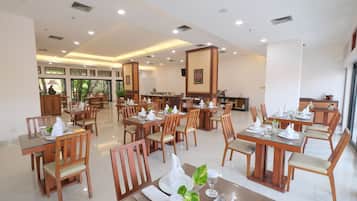
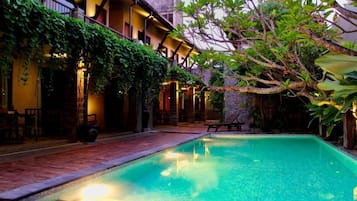
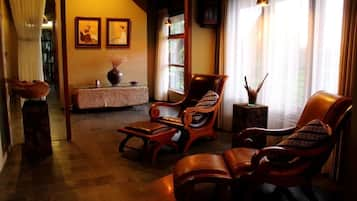
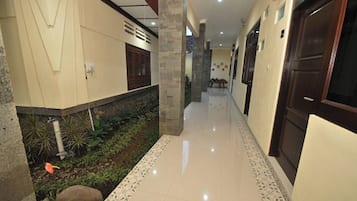
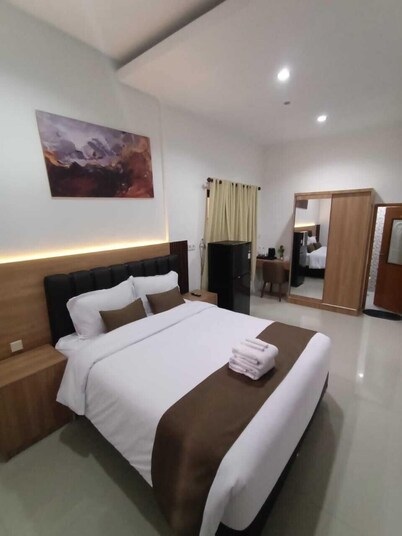
Galerie d’images de l’hébergement Rumah Batu Boutique Hotel

Rumah Batu Boutique Hotel
Baki
9.0/10Merveilleux (9 avis)
-11 %
Le prix est de 123 €
pour 2 nuits, 1 chambre
61 € par nuit
taxes et frais compris
Connectez-vous et économisez en moyenne 15 % sur des milliers d’hôtels
Voyage à Surakarta : les meilleurs quartiers
Trouvez les meilleurs quartiers à Surakarta pour réaliser vos activités favorites. En savoir plus sur Surakarta
En savoir plus sur Surakarta
Centre-ville de Solo
À Centre-ville de Solo, vous pourrez profiter des musées et des trésors zoologiques. Vous aimerez certainement prendre le temps de découvrir les emblématiques Solo Paragon Lifestyle Mall (centre commercial) et Parc de Keprabon.
Banjarsari
Lorsque vous visitez Banjarsari, faites une halte à certains endroits, comme Solo Paragon Lifestyle Mall (centre commercial) et Parc citadin Balekambang.
Séjournez à proximité d’attractions populaires à Surakarta
Surakarta et destinations associées
Séjours pas chers à Surakarta

Dparagon Kerten
Jl. Siwalan Surakarta Jawa Tengah
Hôtels à Surakarta avec nombre d’étoiles

Hôtels 5 étoiles
2 hébergements
Foire aux questions
Explorez un monde de voyages avec Expedia
Zones de Surakarta
Surakarta : autres hébergements
Hôtels près de Surakarta, Centre de Java
Surakarta : hôtels les plus populaires
Autres modes de réservation
Les dernières tendances d’Expedia
Vols
Activités
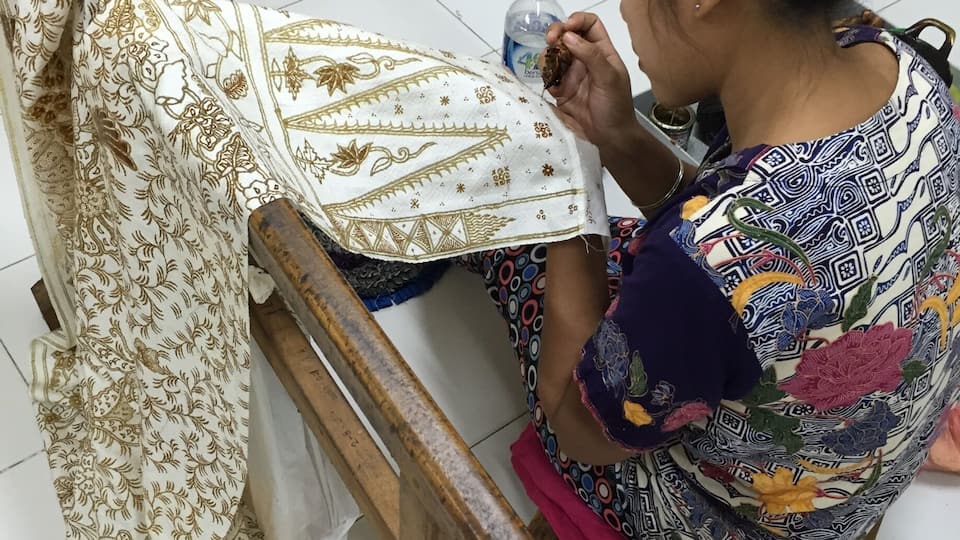
![At the museum no photos are allowed which is really unfortunate as it was well worth the visit and the guided tour is definitely not to be missed. In the museum there are even Batik made from the Dutch era which depicts stories like Little Red Riding Hood and Snow White!
I enjoyed the tour v much and at the end of the tour we were brought to this room where the artisan were working on hand drawn batik.
Below is an excerpt from Wikipedia for anyone interested in learning more about the process of batik making.
Firstly, a cloth is washed, soaked and beaten with a large mallet. Patterns are drawn with pencil and later redrawn using hot wax, usually made from a mixture of paraffin or bees wax, sometimes mixed with plant resins, which functions as a dye-resist. The wax can be applied with a variety of tools. A pen-like instrument called a canting (IPA: [tʃantiŋ], sometimes spelled with old Dutch orthography tjanting) is the most common. A canting is made from a small copper reservoir with a spout on a wooden handle. The reservoir holds the resist which flows through the spout, creating dots and lines as it moves. For larger patterns, a stiff brush may be used. Alternatively, a copper block stamp called a cap (IPA: [tʃap]; old spelling tjap) is used to cover large areas more efficiently.
After the cloth is dry, the resist is removed by scraping or boiling the cloth. The areas treated with resist keep their original color; when the resist is removed the contrast between the dyed and undyed areas forms the pattern. This process is repeated as many times as the number of colors desired.
The most traditional type of batik, called batik tulis (written batik), is drawn using only the canting. The cloth need to be drawn on both sides and dipped in a dye bath three to four times. The whole process may take up to a year; it yields considerably finer patterns than stamped batik.
Source: Wikipedia](https://images.trvl-media.com/place/6224808/26fd1460-c65a-4c1a-9444-7a893e883ac9.jpg?impolicy=fcrop&w=1200&h=500&q=medium)


![At the museum no photos are allowed which is really unfortunate as it was well worth the visit and the guided tour is definitely not to be missed. In the museum there are even Batik made from the Dutch era which depicts stories like Little Red Riding Hood and Snow White!
I enjoyed the tour v much and at the end of the tour we were brought to this room where the artisan were working on hand drawn batik.
Below is an excerpt from Wikipedia for anyone interested in learning more about the process of batik making.
Firstly, a cloth is washed, soaked and beaten with a large mallet. Patterns are drawn with pencil and later redrawn using hot wax, usually made from a mixture of paraffin or bees wax, sometimes mixed with plant resins, which functions as a dye-resist. The wax can be applied with a variety of tools. A pen-like instrument called a canting (IPA: [tʃantiŋ], sometimes spelled with old Dutch orthography tjanting) is the most common. A canting is made from a small copper reservoir with a spout on a wooden handle. The reservoir holds the resist which flows through the spout, creating dots and lines as it moves. For larger patterns, a stiff brush may be used. Alternatively, a copper block stamp called a cap (IPA: [tʃap]; old spelling tjap) is used to cover large areas more efficiently.
After the cloth is dry, the resist is removed by scraping or boiling the cloth. The areas treated with resist keep their original color; when the resist is removed the contrast between the dyed and undyed areas forms the pattern. This process is repeated as many times as the number of colors desired.
The most traditional type of batik, called batik tulis (written batik), is drawn using only the canting. The cloth need to be drawn on both sides and dipped in a dye bath three to four times. The whole process may take up to a year; it yields considerably finer patterns than stamped batik.
Source: Wikipedia](https://images.trvl-media.com/place/6224808/26fd1460-c65a-4c1a-9444-7a893e883ac9.jpg?impolicy=fcrop&w=300&h=400&p=1&q=high)