
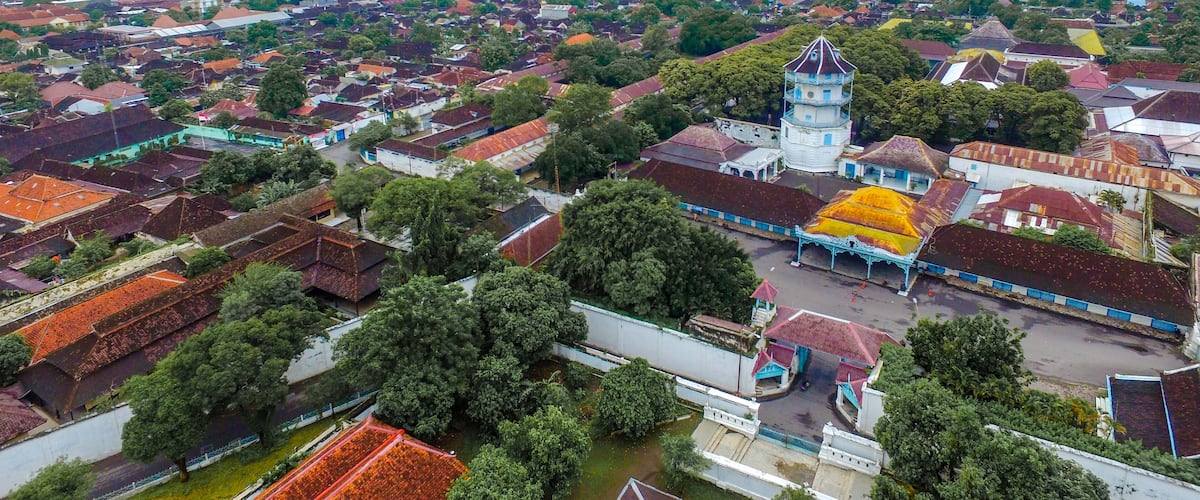
Hôtels 5 étoiles à Surakarta, Centre de Java à partir de 29 €
 Changez d’avisRéservez des hôtels avec annulation gratuite.
 Faites-vous plaisirConnectez-vous pour économiser 10 % ou plus sur des milliers d’hôtels.Se connecter
 Trouvez votre bonheurFaites votre choix parmi près d’un million d’hébergements dans le monde entier.
Vérifiez la disponibilité des Hôtels 5 étoiles à Surakarta
Ce soir
25 oct. - 26 oct.Demain
26 oct. - 27 oct.Le week-end prochain
30 oct. - 1 nov.Dans deux semaines
6 nov. - 8 nov.Surakarta : notre meilleure sélection d’hôtels 5 étoiles




64 €
taxes et frais compris
26 oct. - 27 oct.
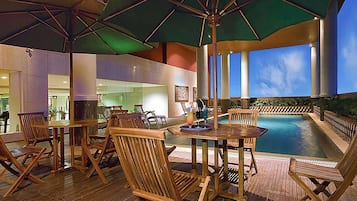

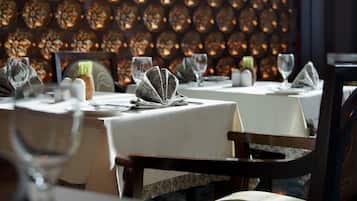

2. The Royal Surakarta Heritage - Handwritten Collection
The Royal Surakarta Heritage - Handwritten CollectionCentre-ville de Solo

Nathalie
31 €
taxes et frais compris
28 oct. - 29 oct.

Connectez-vous et économisez en moyenne 15 % sur des milliers d’hôtels
Découvrez des hôtels 4 étoiles similaires
Beaucoup d’hôtels 4 étoiles proposent les mêmes services et équipements que des hôtels 5 étoiles. Consultez la totalité des hôtels 4 étoiles à Surakarta.
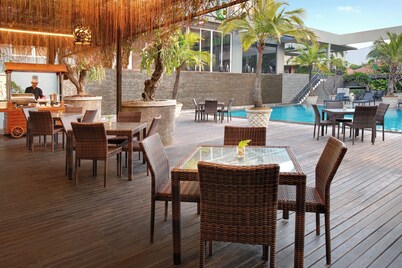
Novotel Solo
Jalan Slamet Riyadi 272 Surakarta Central Java
29 €
1 nov. - 2 nov.
taxes et frais compris
8,2/10 Très bien ! (124 avis)

Swiss-Belhotel Solo
Jalan Ahmad Yani 45 Surakarta Jawa Tengah
44 €
29 oct. - 30 oct.
taxes et frais compris
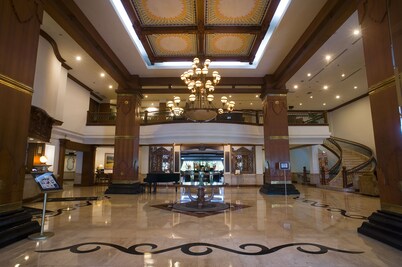
The Sunan Hotel Solo
Jl. Ahmad Yani 40 Surakarta Central Java
29 €
26 oct. - 27 oct.
taxes et frais compris
7,4/10 Bien ! (6 avis)
Vous ne trouvez toujours pas ce que vous cherchez ?
Afficher tous les hébergements à Surakarta
Vous pouvez également utiliser ces filtres populaires pour affiner votre recherche.
Prix le plus bas trouvé au cours des 24 dernières heures sur la base d’un séjour d’une nuit pour 2 adultes. Les prix et la disponibilité sont susceptibles de changer. D’autres conditions peuvent s’appliquer.
Surakarta et destinations associées
Surakarta : les avis sur les hôtels les plus prisés
Surakarta : les informations utiles
Hôtels 5 étoiles à Surakarta
Recherchez des hôtels à Surakarta sur Expedia.fr. Vous pouvez facilement rechercher votre hôtel à Surakarta avec l'une des méthodes suivantes :
- Affichez notre sélection d'hôtels à Surakarta
- Utilisez le plan pour rechercher des hôtels dans le quartier de Surakarta que vous préférez
- Les filtres vous permettent d'afficher des hôtels dans une zone déterminée de Surakarta ou de sélectionner un thème, une marque ou une catégorie d'hôtel spécifique (1 étoile à 5 étoiles) à Surakarta.
- Saisissez vos dates de voyage pour afficher les meilleures offres pour des hôtels à Surakarta en temps réel
Explorez un monde de voyages avec Expedia
- Baki : Appart’hôtels
- Baki : hôtels Hôtels de luxe
- Baki : hôtels Hôtels pas chers
- Baki : hôtels
- Baki : Complexes hôteliers
- Centre-Ville de Solo : hôtels Hôtels avec piscine
- Centre-Ville de Solo : hôtels Hôtels de plage
- Centre-Ville de Solo : hôtels Hôtels de luxe
- Centre-Ville de Solo : hôtels Hôtels avec spa
- Centre-Ville de Solo : hôtels Hôtels pas chers
- Centre-Ville de Solo : hôtels Séjours réservés aux adultes
- Kadipiro : Complexes hôteliers
- Karanganyar : hôtels
- Laweyan : hôtels
- Ngemplak : hôtels Hôtels avec piscine
- Selo : hôtels Hôtels pas chers
- Site historique The Heritage Palace : hôtels à proximité
- Surakarta : Chambres d’hôtes
- Surakarta : Maison d’hôtes
- Surakarta : hôtels Hôtels avec piscine
- Surakarta : hôtels Hôtels d’affaires
- Surakarta : hôtels Hôtels-boutiques
- Surakarta : hôtels Hôtels historiques
- Surakarta : hôtels Hôtels avec restaurant
- Surakarta : hôtels Hôtels romantiques
- Surakarta : hôtels
- Surakarta : Maisons de ville
- Surakarta : Ranchs
- Surakarta : Résidences de vacances
- Tawangmangu : hôtels Hôtels avec bar
- Tawangmangu : hôtels Hôtels familiaux
- Tawangmangu : hôtels Hôtels pas chers
- Tawangmangu : hôtels
- Wonogiri : Appart’hôtels