
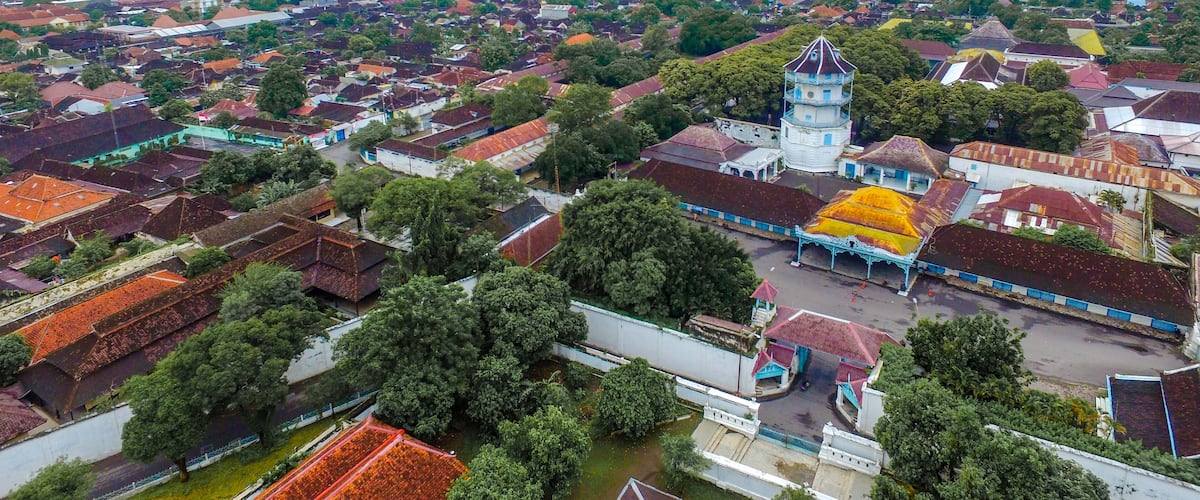
Trouvez des Hôtels romantiques à Surakarta
 Changez d’avisRéservez des hôtels avec annulation gratuite.
 Faites-vous plaisirConnectez-vous pour économiser 10 % ou plus sur des milliers d’hôtels.Se connecter
 Trouvez votre bonheurFaites votre choix parmi près d’un million d’hébergements dans le monde entier.
Surakarta : vérifiez la disponibilité des Hôtels romantiques
Ce soir
20 sept. - 21 sept.Demain
21 sept. - 22 sept.Le week-end prochain
25 sept. - 27 sept.Dans deux semaines
2 oct. - 4 oct.Aucune correspondance exacte n’a été trouvée, mais ces alternatives pourraient vous convenir.
Hôtels recommandés à Surakarta
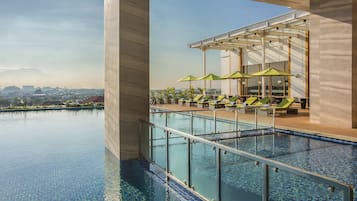

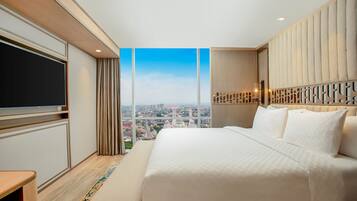


41 €
taxes et frais compris
20 sept. - 21 sept.

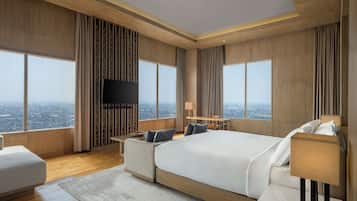

65 €
taxes et frais compris
27 sept. - 28 sept.



30 €
taxes et frais compris
20 sept. - 21 sept.

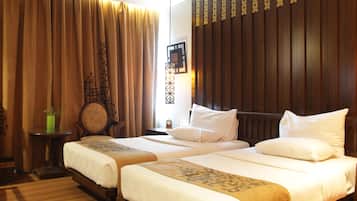

4. The Royal Surakarta Heritage - Handwritten Collection
The Royal Surakarta Heritage - Handwritten CollectionCentre-ville de Solo

Nathalie
29 €
taxes et frais compris
24 sept. - 25 sept.


45 €
taxes et frais compris
20 sept. - 21 sept.



33 €
taxes et frais compris
5 oct. - 6 oct.



22 €
taxes et frais compris
20 sept. - 21 sept.


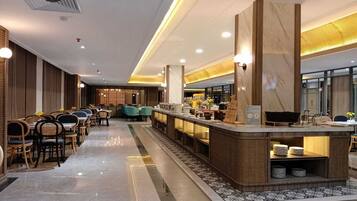
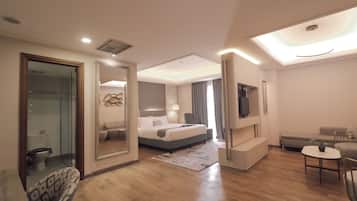
30 €
taxes et frais compris
22 sept. - 23 sept.
Afficher tous les hébergements

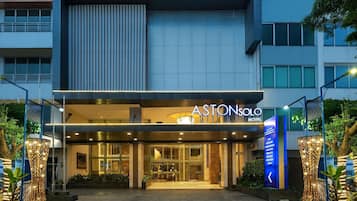


Surakarta : les avis sur les hôtels les plus prisés
Foire aux questions
Explorez un monde de voyages avec Expedia
- Baki : Appart’hôtels
- Baki : hôtels Hôtels de luxe
- Baki : hôtels Hôtels pas chers
- Baki : hôtels
- Baki : Complexes hôteliers
- Centre-Ville de Solo : hôtels Hôtels avec piscine
- Centre-Ville de Solo : hôtels Hôtels de plage
- Centre-Ville de Solo : hôtels Hôtels de luxe
- Centre-Ville de Solo : hôtels Hôtels avec spa
- Centre-Ville de Solo : hôtels Hôtels pas chers
- Centre-Ville de Solo : hôtels Séjours réservés aux adultes
- Kadipiro : Complexes hôteliers
- Karanganyar : hôtels
- Laweyan : hôtels
- Ngemplak : hôtels Hôtels avec piscine
- Selo : hôtels Hôtels pas chers
- Site historique The Heritage Palace : hôtels à proximité
- Surakarta : Chambres d’hôtes
- Surakarta : Maison d’hôtes
- Surakarta : hôtels Hôtels avec piscine
- Surakarta : hôtels Hôtels d’affaires
- Surakarta : hôtels Hôtels-boutiques
- Surakarta : hôtels Hôtels historiques
- Surakarta : hôtels Hôtels avec restaurant
- Surakarta : hôtels
- Surakarta : Maisons de ville
- Surakarta : Ranchs
- Surakarta : Résidences de vacances
- Tawangmangu : hôtels Hôtels avec bar
- Tawangmangu : hôtels Hôtels familiaux
- Tawangmangu : hôtels Hôtels pas chers
- Tawangmangu : hôtels
- Wonogiri : Appart’hôtels