
Photo de Sharrie Shaw

Trouvez des Hôtels pas chers à Centre-ville de Solo
 Changez d’avisRéservez des hôtels avec annulation gratuite.
 Faites-vous plaisirConnectez-vous pour économiser 10 % ou plus sur des milliers d’hôtels.
 Trouvez votre bonheurFaites votre choix parmi près d’un million d’hébergements dans le monde entier.
Centre-ville de Solo : vérifiez la disponibilité des Hôtels pas chers
Ce soir
Demain
Ce week-end
Le week-end prochain
Centre-ville de Solo : notre meilleure sélection d’hôtels bon marché

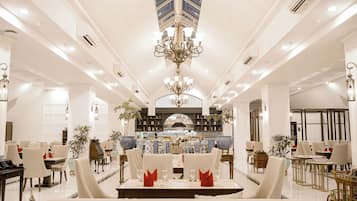

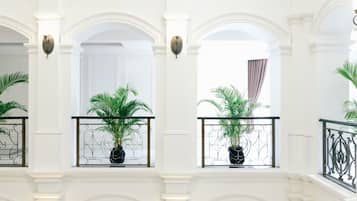
9.0 sur 10, Merveilleux, (7 avis)
« ロビーの吹き抜けが気持ちいいコロニアル風ビルのホテル。外出から戻り、レモングラスの香りが漂うロビーに入るとほっとしました。
滞在中、私の電子機器の不具合が原因で部屋が停電してしまったのですが(恐らくヒューズが飛んだ)、夜遅い時間にもかかわらずすぐにエンジニアが対応してくれ助かりました。
プールは小さく、プールサイドのスペースもあまりないので泳ぐのが好きな人には少し物足りないかもしれません。
プールサイドのカフェで滞在中1回、アフタヌーンティーのサービスがあり、インドネシアのお菓子が中心の素敵なセットで楽しくいただきました。また、ここのカフェはビールも提供しています。
メインダイニングは最上階にありますが、朝食会場も兼ねていて、カジュアルな雰囲気。夜はあまり利用者がないように見受けられました。
すぐ近くにショッピングモールがあり、ちょっとした買い物や上階のフードコートでの食事などに便利です。 »

MIZUHO
Le nouveau prix est de 30 €
taxes et frais compris
23 sept. - 24 sept.


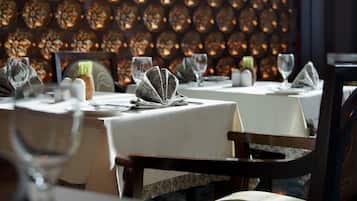
2. The Royal Surakarta Heritage - Handwritten Collection
The Royal Surakarta Heritage - Handwritten CollectionCentre-ville de Solo
8.2 sur 10, Très bien, (174 avis)
« The room as no air circulation , seems that nobody stays in for years , it was smelly , very humid in the room , clothes and sheets were weat by humidity , air conditionning very old not working in the first room they give me ! Stains in the bathroom . Really need to renovate ! Also I was able to ear everything people were saying in the other room. Not soundproof walls that s for sure . Not a MGALLERY collection as I have seen other places in the world . Should be rated 2 starts not more. »

Nathalie
Le nouveau prix est de 32 €
taxes et frais compris
28 sept. - 29 sept.

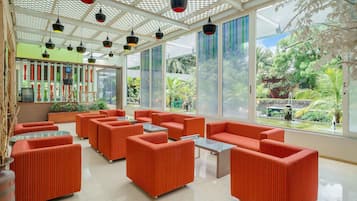
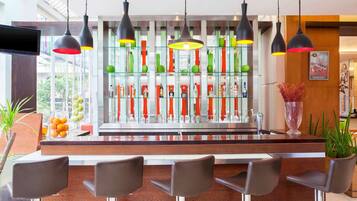
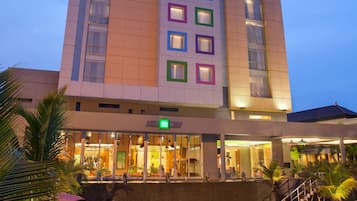
8.2 sur 10, Très bien, (109 avis)
« bonne impression »

Voyageur anonyme
Le nouveau prix est de 23 €
taxes et frais compris
15 oct. - 16 oct.
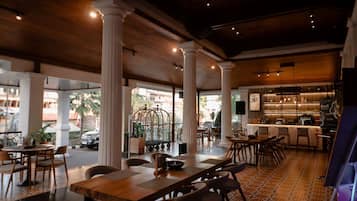
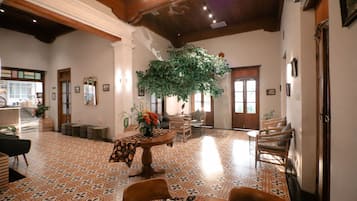
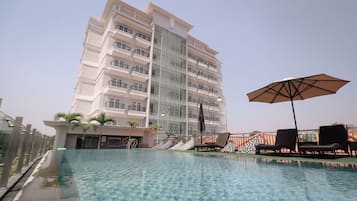

9.4 sur 10, Exceptionnel, (6 avis)
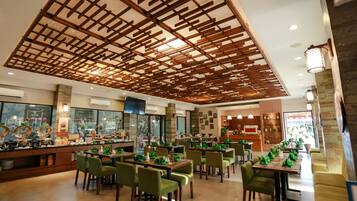
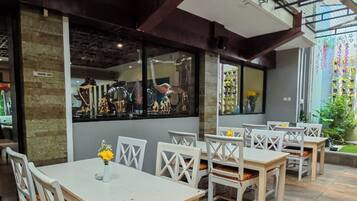
« The hotel is an excellent place to stay. The hotel itself is not special or fancy, but it is well-run, clean, and located in the center of Solo. The breakfast buffet is excellent, the restaurant is good, and the hotel also has a nice cafe with an outside seating area. They featured life music at the cafe on weekend evenings. We saw no other foreign guests, which we saw as a plus. Many staff members speak good English. »

Erzo
Le nouveau prix est de 27 €
taxes et frais compris
23 sept. - 24 sept.
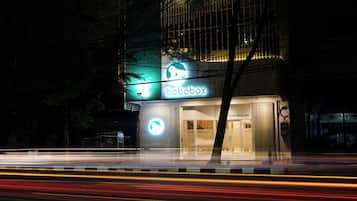

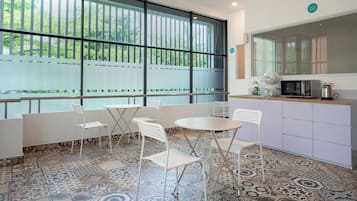
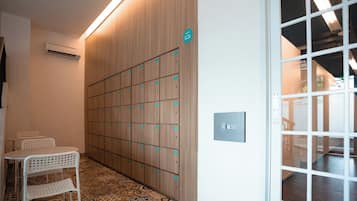
10.0 sur 10, Exceptionnel, (1 avis)
« matur nuwun »

Sri
Le nouveau prix est de 7 €
taxes et frais compris
23 sept. - 24 sept.


Le nouveau prix est de 6 €
taxes et frais compris
23 sept. - 24 sept.


8.2 sur 10, Très bien, (123 avis)
« L'état général de l'hotel est un peu démodé. Il n'est plus d'un niveau 4 étoiles.
Le pire est le restaurant. C'est une honte !
La prochaine fois j'essayera un autre hotel. »

Ivan
Le nouveau prix est de 32 €
taxes et frais compris
23 sept. - 24 sept.


Le nouveau prix est de 17 €
taxes et frais compris
29 sept. - 30 sept.




Prix par nuit le plus bas trouvé au cours des 24 dernières heures sur la base d’un séjour d’une nuit pour 2 adultes. Les prix et la disponibilité sont susceptibles de changer. Des conditions supplémentaires peuvent s’appliquer.
Centre-ville de Solo : les avis sur les hôtels les plus prisés
Foire aux questions
Explorez un monde de voyages avec Expedia
- Baki : Appart’hôtels
- Baki : hôtels Hôtels de luxe
- Baki : hôtels Hôtels pas chers
- Baki : hôtels
- Baki : Complexes hôteliers
- Centre-Ville de Solo : hôtels Hôtels avec piscine
- Centre-Ville de Solo : hôtels Hôtels de plage
- Centre-Ville de Solo : hôtels Hôtels de luxe
- Centre-Ville de Solo : hôtels Hôtels avec spa
- Centre-Ville de Solo : hôtels Séjours réservés aux adultes
- Kadipiro : Complexes hôteliers
- Karanganyar : hôtels
- Laweyan : hôtels
- Ngemplak : hôtels Hôtels avec piscine
- Selo : hôtels Hôtels pas chers
- Site historique The Heritage Palace : hôtels à proximité
- Surakarta : Chambres d’hôtes
- Surakarta : Maison d’hôtes
- Surakarta : hôtels Hôtels avec piscine
- Surakarta : hôtels Hôtels d’affaires
- Surakarta : hôtels Hôtels-boutiques
- Surakarta : hôtels Hôtels historiques
- Surakarta : hôtels Hôtels avec restaurant
- Surakarta : hôtels Hôtels romantiques
- Surakarta : hôtels
- Surakarta : Maisons de ville
- Surakarta : Ranchs
- Surakarta : Résidences de vacances
- Tawangmangu : hôtels Hôtels avec bar
- Tawangmangu : hôtels Hôtels familiaux
- Tawangmangu : hôtels Hôtels pas chers
- Tawangmangu : hôtels
- Wonogiri : Appart’hôtels