Guide de voyage: Comté d'Albemarle 2026
Comté d'Albemarle : idées de séjour, infos pratiques et culturelles
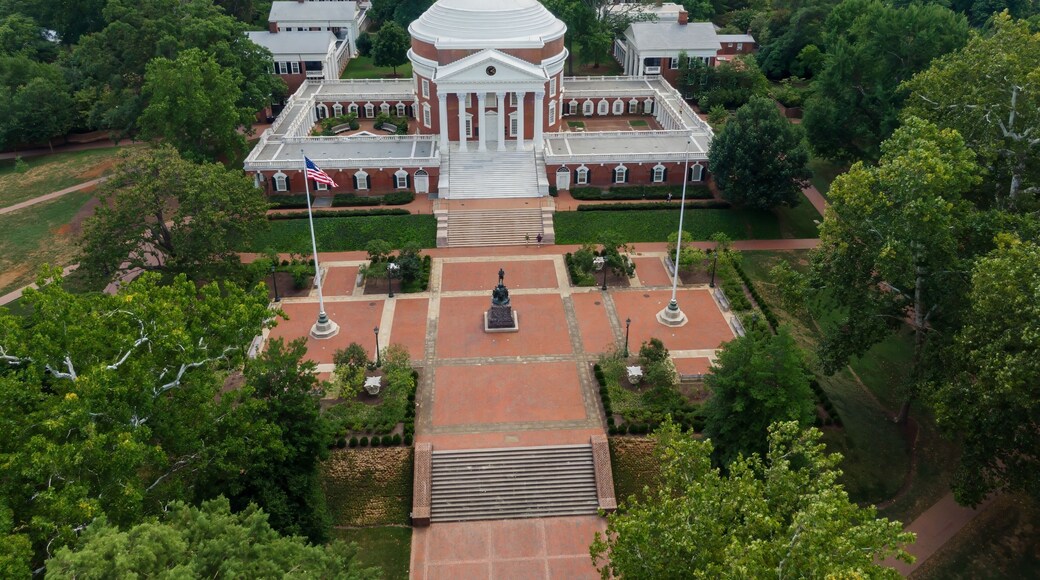
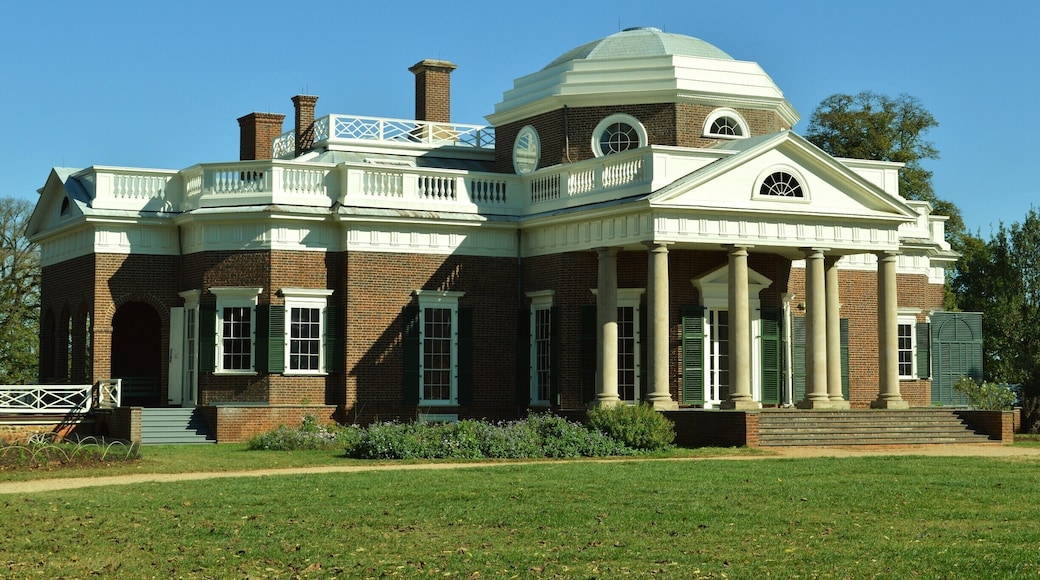
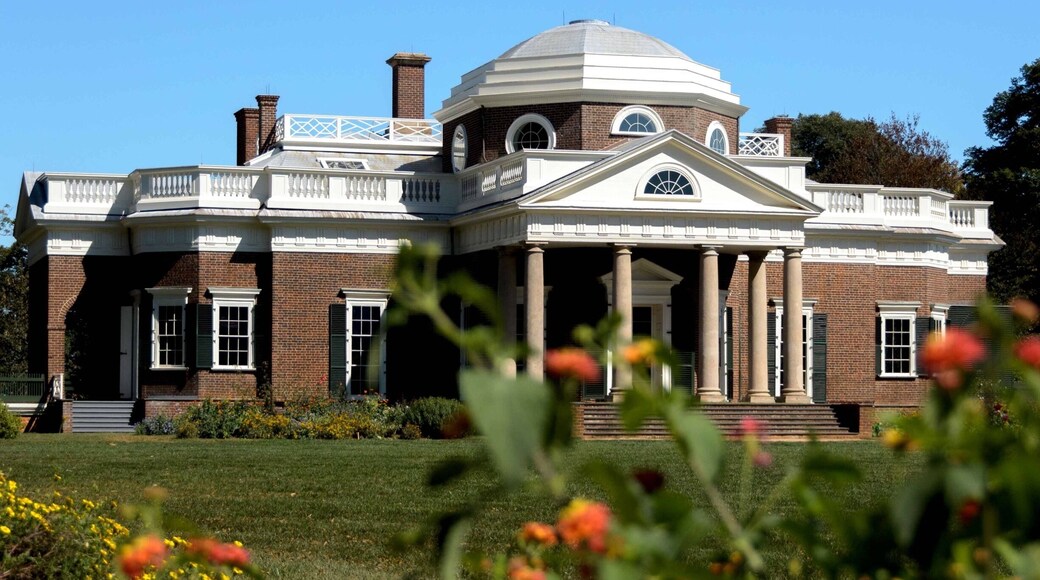
Comté d'Albemarle : les plus belles villes à visiter
Charlottesville
Universités, Sports et Exploitations viticoles
Cette charmante ville universitaire est entourée par la nature luxuriante de Virginie. Vous découvrirez son architecture coloniale grâce à une visite à pied.
Les bonnes raisons d’y aller
- University of Virginia (université de Virginie)
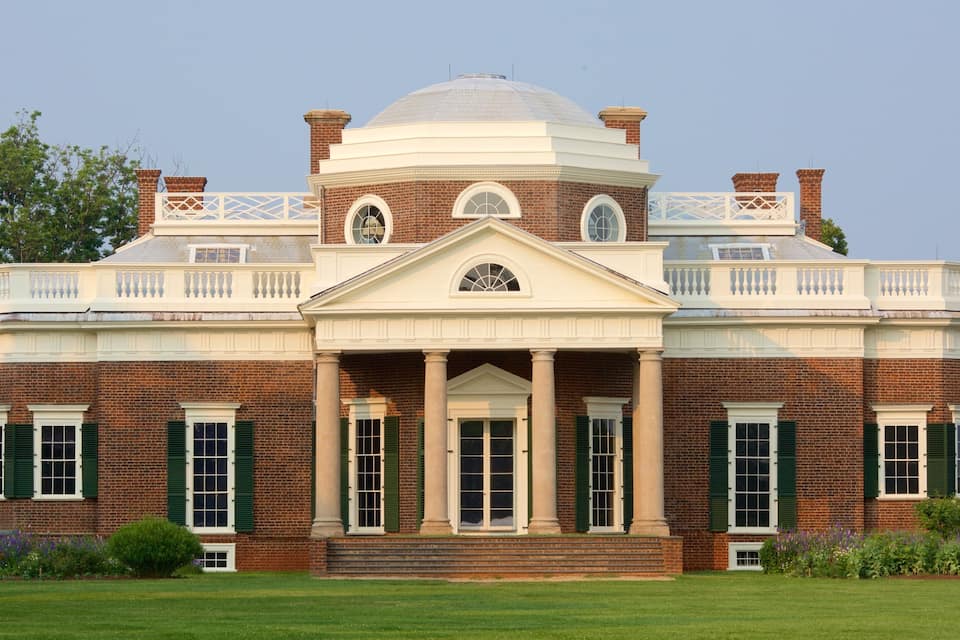
- Monticello
- Downtown Mall
Afton
Montagnes, Paysage et Levers de soleil
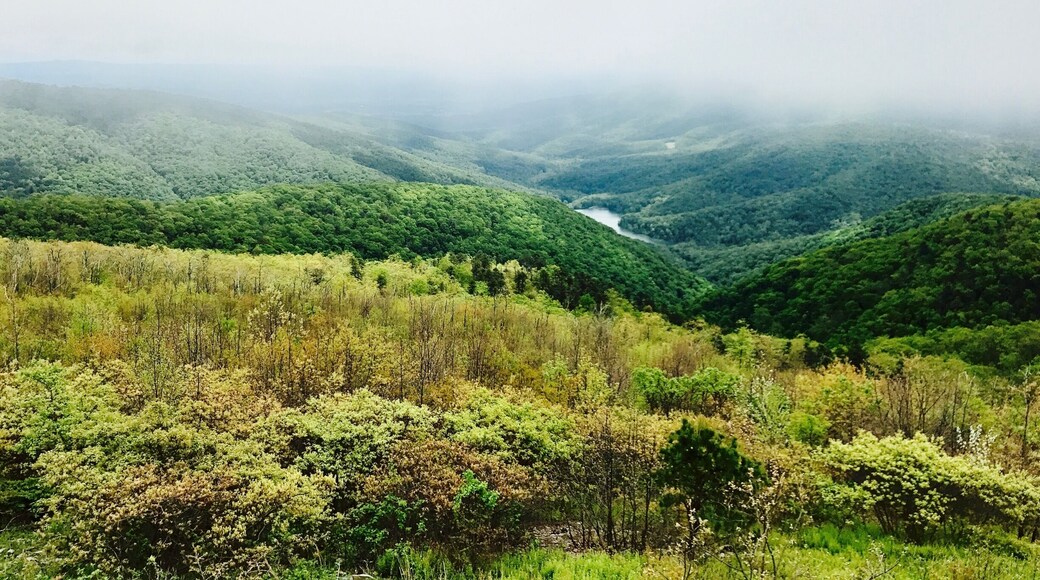
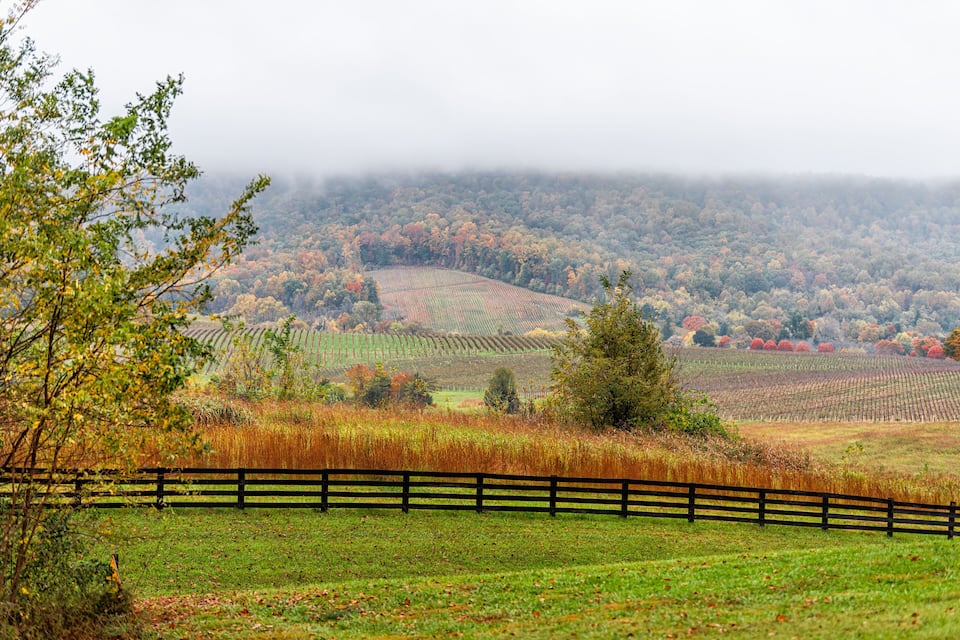
Faites vos valises pour Afton ! Découvrez-y des montagnes magnifiques, des levers de soleil magiques et des espaces de camping agréables.
Les bonnes raisons d’y aller
- Veritas Vineyard and Winery (établissement vinicole)
- Afton Mountain Vineyards
- Manoir de Swannanoa
Crozet
Restauration, Exploitations viticoles et Café
Le cadre romantique de Crozet est fait pour vous ! Découvrez des établissements vinicoles, des restaurants gourmands, des randonnées revigorantes et bien plus encore.
Les bonnes raisons d’y aller
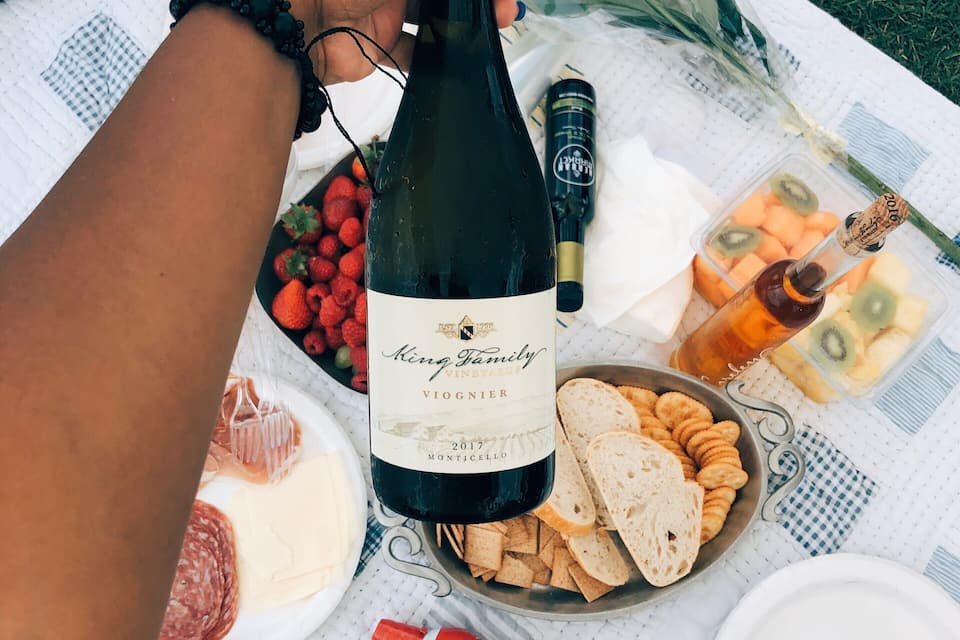
- King Family Vineyards (domaine viticole)
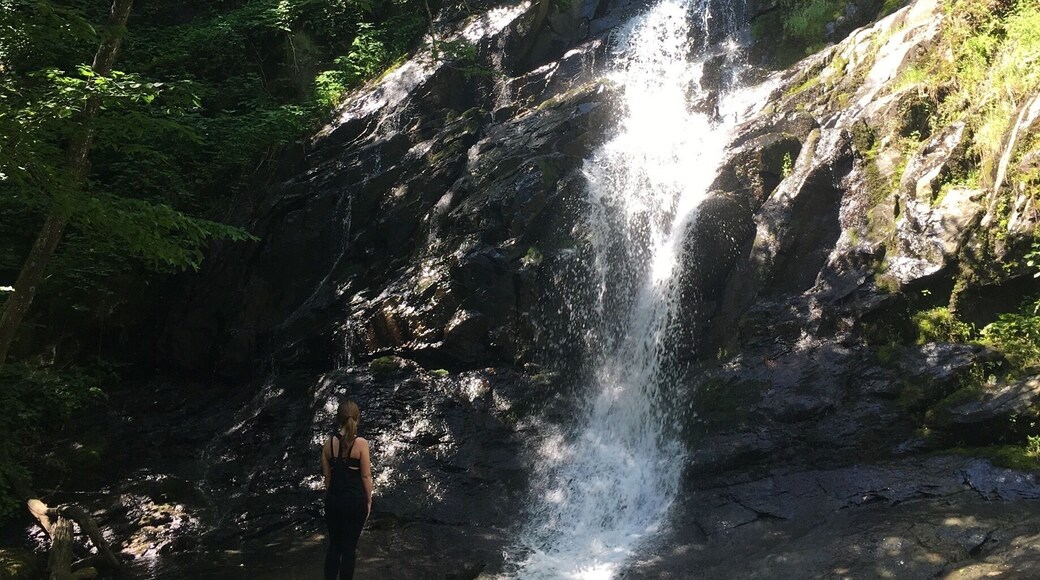
- Cascades Doyles River Falls
Keswick
Restauration et Exploitations viticoles
Évadez-vous à Keswick ! des établissements vinicoles et des restaurants gourmands vous y attendent.
Les bonnes raisons d’y aller
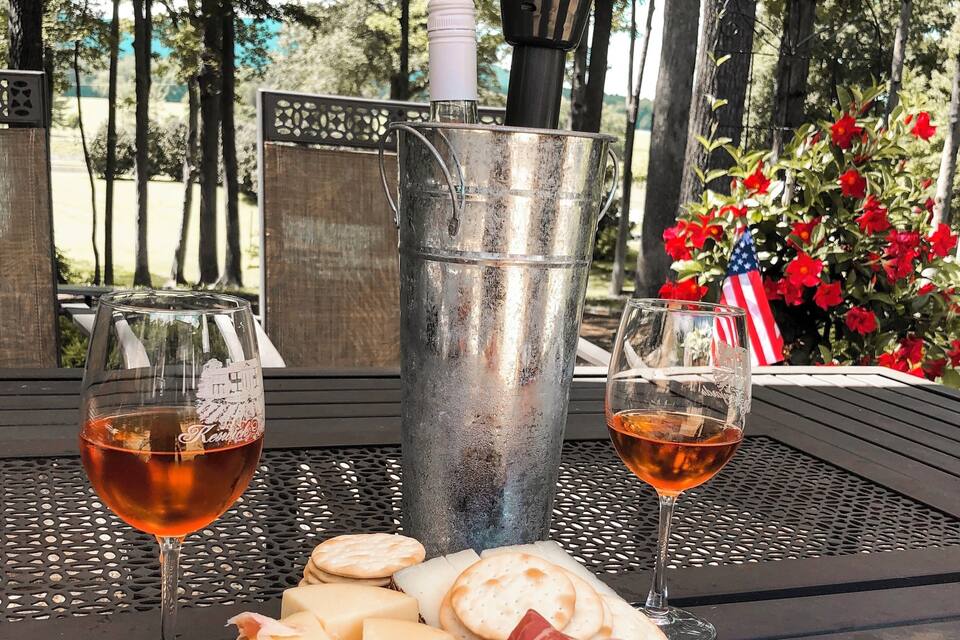
- Keswick Vineyards and Winery (établissement vinicole)
North Garden
Familial, Affaires et Romantique
C'est l'heure des vacances ! Découvrez des restaurants gourmands, des sports à gogo et des établissements vinicoles dans le cadre romantique de North Garden.
Les bonnes raisons d’y aller
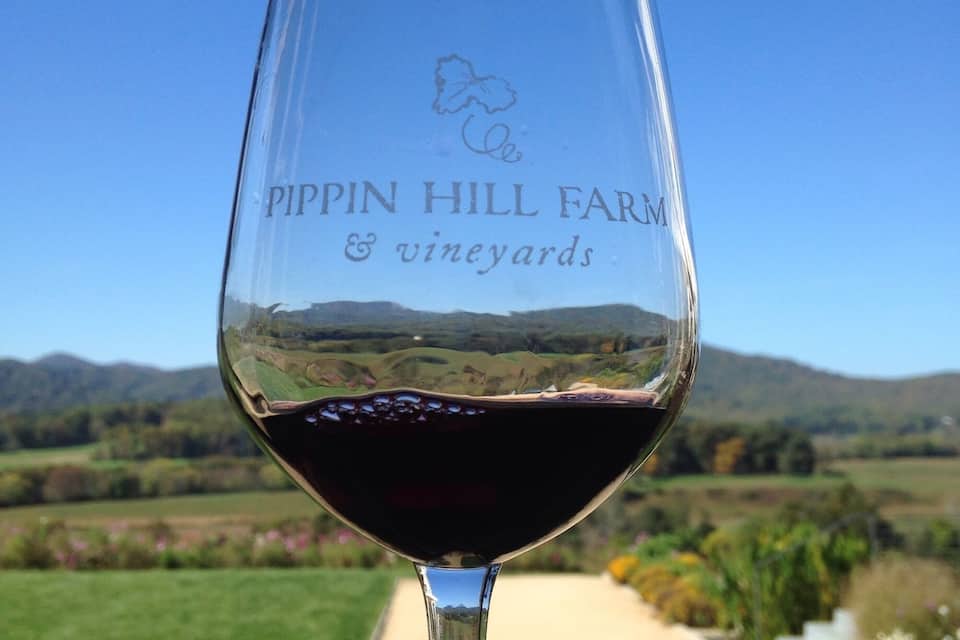
- Pippin Hill Farm & Vineyards
Scottsville
Restauration, Exploitations viticoles et Relaxation
Le cadre reposant de Scottsville est fait pour vous ! Découvrez des restaurants gourmands, des établissements vinicoles, des sites chargés d'histoire et bien plus encore.
Séjournez à proximité d’attractions populaires à Comté d'Albemarle
Explorez un monde de voyages avec Expedia
- Aroda : Appart’hôtels
- Aroda : hôtels
- Aroda : Maisons de ville
- Aroda : Complexes hôteliers
- Banco : Chambres d’hôtes
- Belmont : hôtels Hôtels de luxe
- Big Meadows : Lodges
- Blue Ridge Parkway : hôtels à proximité
- Charlottesville : hôtels Hôtels avec spa
- Charlottesville : hôtels Hôtels pas chers
- Charlottesville : hôtels
- Comté d'Orange : Châteaux
- Crozet : Chambres d’hôtes
- Crozet : Maison d’hôtes
- Crozet : hôtels Hôtels de luxe
- Crozet : hôtels Hôtels historiques
- Crozet : hôtels Hôtels avec restaurant
- Crozet : hôtels
- Crozet : Maisons de campagne
- Crozet : Complexes hôteliers
- Demeure historique Rapidan Camp : hôtels à proximité
- Dyke : hôtels
- Faber : Appart’hôtels
- Faber : hôtels
- Fort Defiance : Maison d’hôtes
- Free Union : Appart’hôtels
- Free Union : hôtels Hôtels avec piscine
- Free Union : hôtels Hôtels pas chers
- Greenwood : hôtels Hôtels pas chers
- Greenwood : hôtels
- Greenwood : Maisons de ville
- Greenwood : Complexes hôteliers
- Harrisonburg : hôtels Hôtels pas chers
- Keswick : Maison d’hôtes
- Keswick : hôtels Hôtels acceptant les animaux de compagnie
- Love : Maison d’hôtes
- Love : hôtels
- Love : Maisons de ville
- Lovingston : hôtels Hôtels avec spa
- Madison : Chambres d’hôtes
- Madison : hôtels Hôtels de plage
- Madison : hôtels
- Madison : Maisons de ville
- Mcgaheysville : Maison d’hôtes
- Mint Springs : hôtels Hôtels avec spa
- Mount Crawford : Complexes hôteliers
- North Downtown : hôtels
- North Garden : Auberges
- North Garden : Maison d’hôtes
- North Garden : hôtels
- North Garden : Complexes hôteliers
- Orange : Chambres d’hôtes
- Orange : Châteaux
- Orange : hôtels Hôtels de luxe
- Orange : hôtels Hôtels avec spa
- Orange : hôtels Hôtels avec bains à remous
- Orange : hôtels
- Palmyra : hôtels Hôtels avec spa
- Parc national de Shenandoah : hôtels à proximité
- Port Republic : Complexes hôteliers
- Rochelle : Appart’hôtels
- Rochelle : Châteaux
- Rochelle : Maison d’hôtes
- Rochelle : hôtels Hôtels avec piscine
- Rochelle : hôtels Hôtels de luxe
- Rochelle : hôtels Hôtels pas chers
- Rochelle : hôtels
- Rochelle : Maisons de ville
- Shenandoah : Lodges
- Shenandoah : Complexes hôteliers
- Staunton : hôtels
- Syrie : hôtels Hôtels avec climatisation
- Syrie : hôtels Hôtels de luxe
- Syrie : hôtels Hôtels d’aventure
- Syrie : hôtels
- Thornhill : hôtels
- Troy : Appart’hôtels
- Troy : hôtels Hôtels de luxe
- University of Virginia : hôtels à proximité
- Vérone : Chambres d’hôtes
- Vérone : Maison d’hôtes
- Vérone : hôtels Hôtels acceptant les animaux de compagnie
- Vérone : hôtels Hôtels avec parking
- Vérone : hôtels Hôtels avec piscine
- Vérone : hôtels Hôtels avec Wi-Fi
- Vérone : hôtels Hôtels d’affaires
- Vérone : hôtels Hôtels dans un domaine viticole
- Vérone : hôtels Hôtels romantiques
- Vérone : hôtels Hôtels avec spa
- Vérone : hôtels Hôtels pas chers
- Vérone : hôtels
- Vérone : Lodges
- Vérone : Complexes hôteliers
- Wintergreen : Auberges
- Wintergreen : Lodges
- Wintergreen : Complexes hôteliers