À voir et à faire à Comté d'Albemarle
Activités, attractions et visites
Découvrez cette destination : Comté d'Albemarle
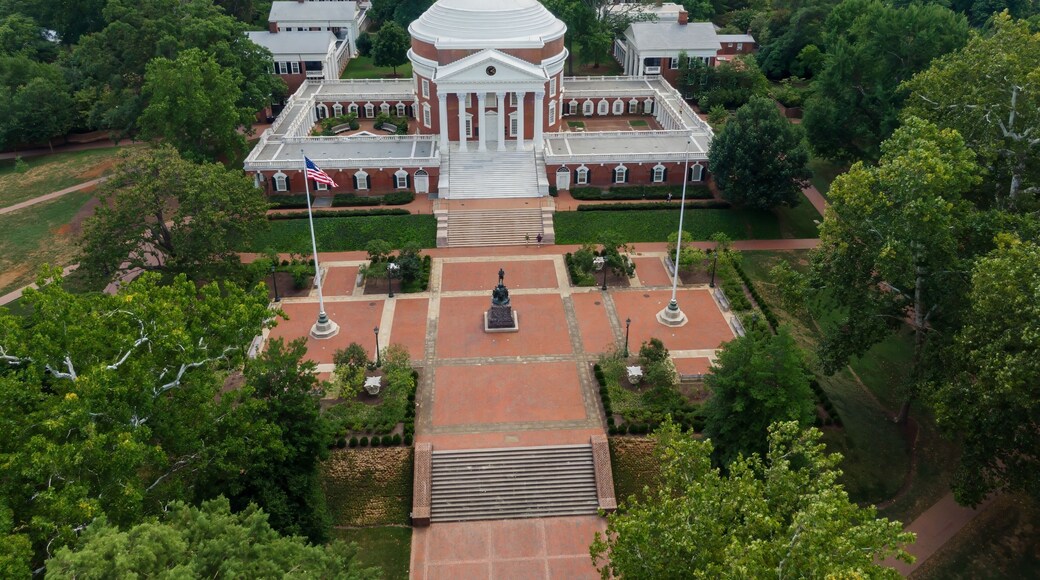
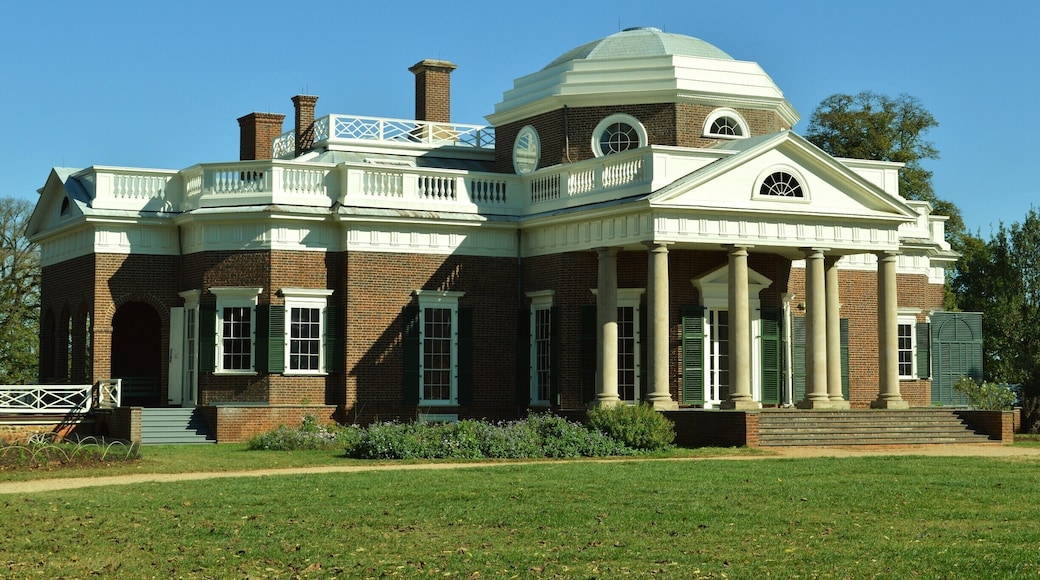
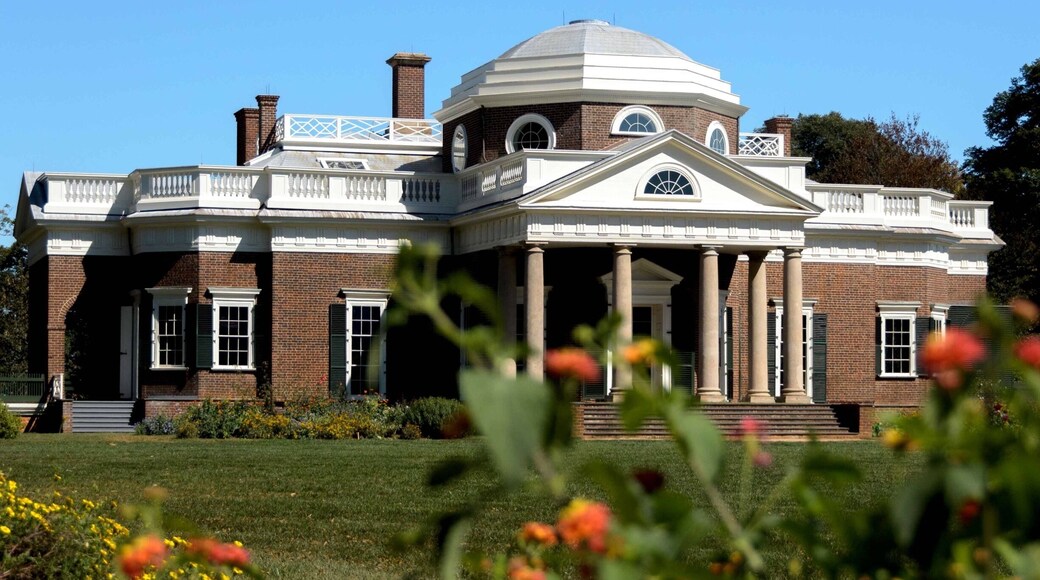
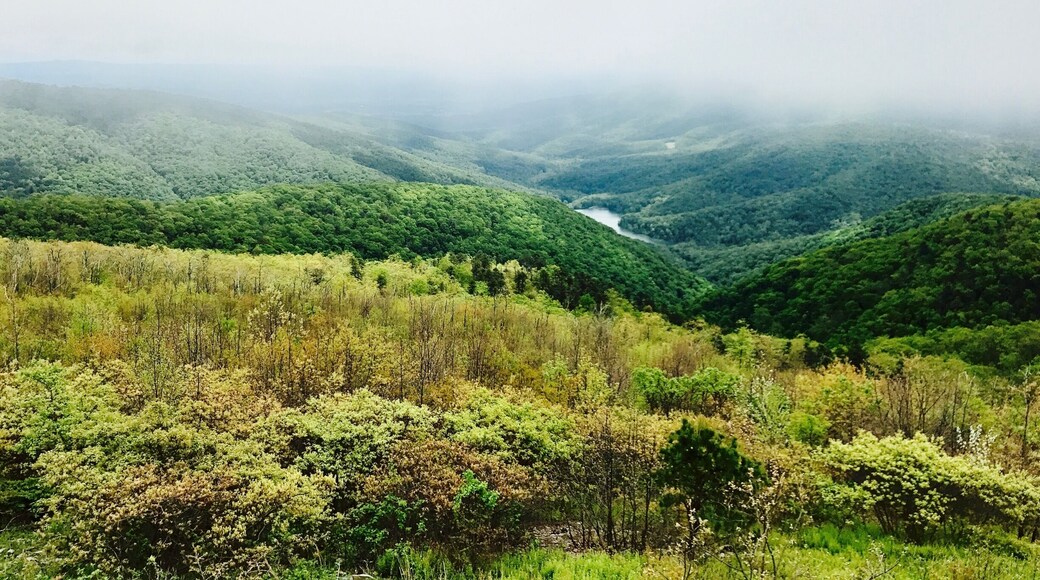
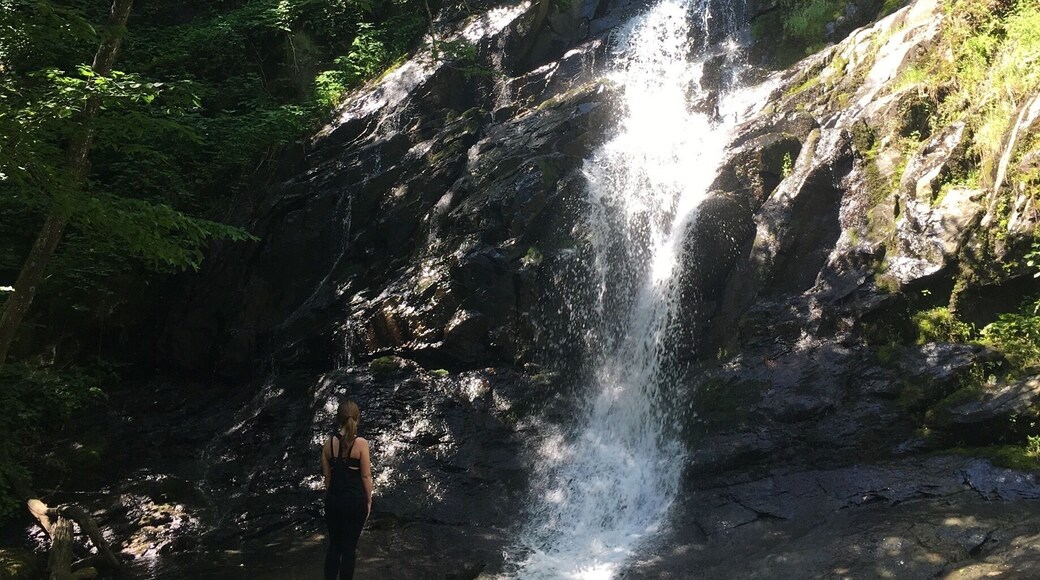
Activités

Visite audio guidée du parc national de Shenandoah
15 €
par voyageur
Recommandé par 100 % des voyageurs

Chaînes, cercueils et malédictions: Charlottesville Ghost Tours
28 €
par adulte
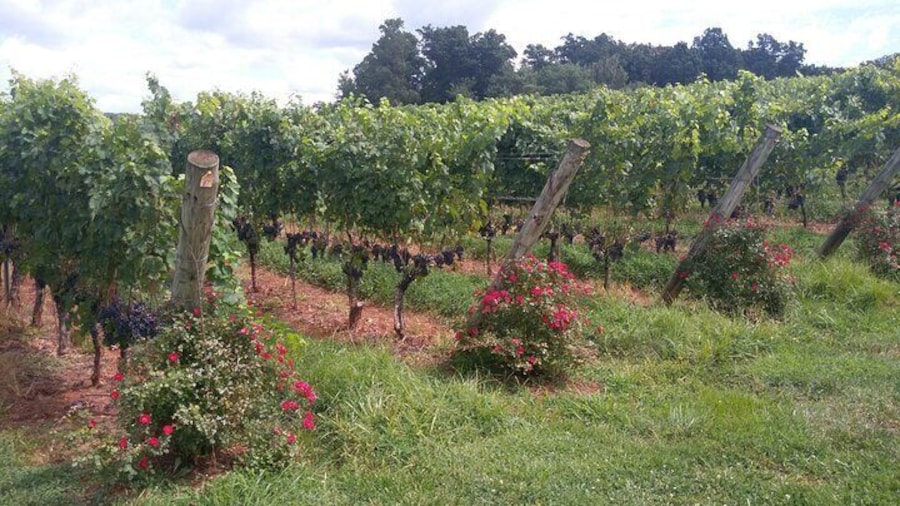
Visites privées de vignobles (minimum 3 et maximum 6) Prise en charge maximum 30 mi
246 €
par voyageur
Recommandé par 100 % des voyageurs

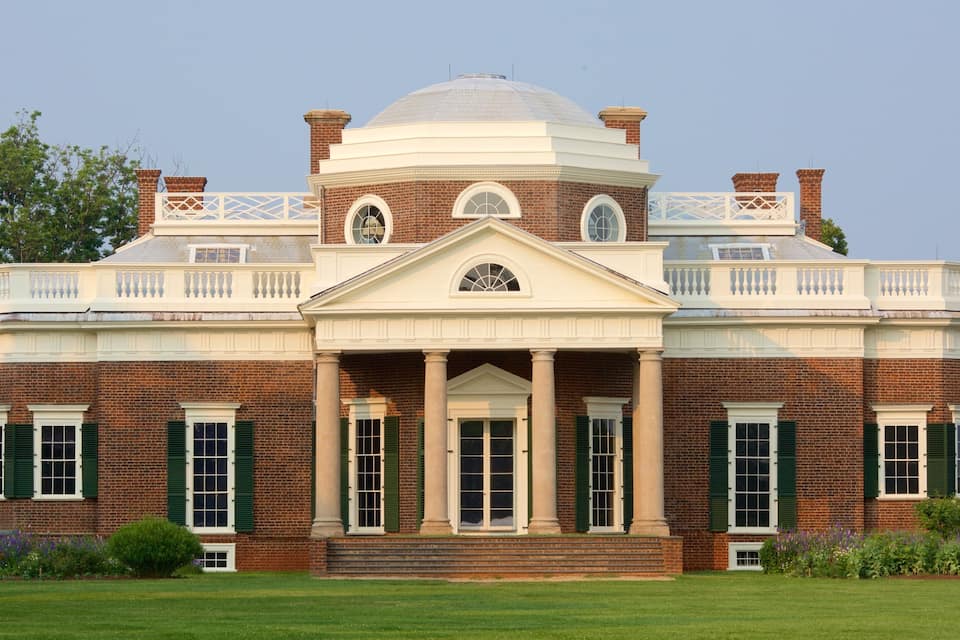
Site du patrimoine mondial de Monticello - Visite privée au départ de Williamsburg
527 €
par adulte

Visite privée des vins de la région de Charlottesville
237 €
par adulte
 Découvrez les activitésDécouvrez des milliers d’expériences incluant des activités, des attractions, des excursions d’une journée et les transferts disponibles.
 Réservez facilementÉvitez les files d’attente en réservant rapidement vos billets en ligne pour les principales attractions et bénéficiez d’une annulation gratuite pour de nombreuses activités.
 Faites-vous plaisirLes membres économisent % ou plus lors de la réservation d’activités.
Séjournez à proximité d’attractions populaires à Comté d'Albemarle
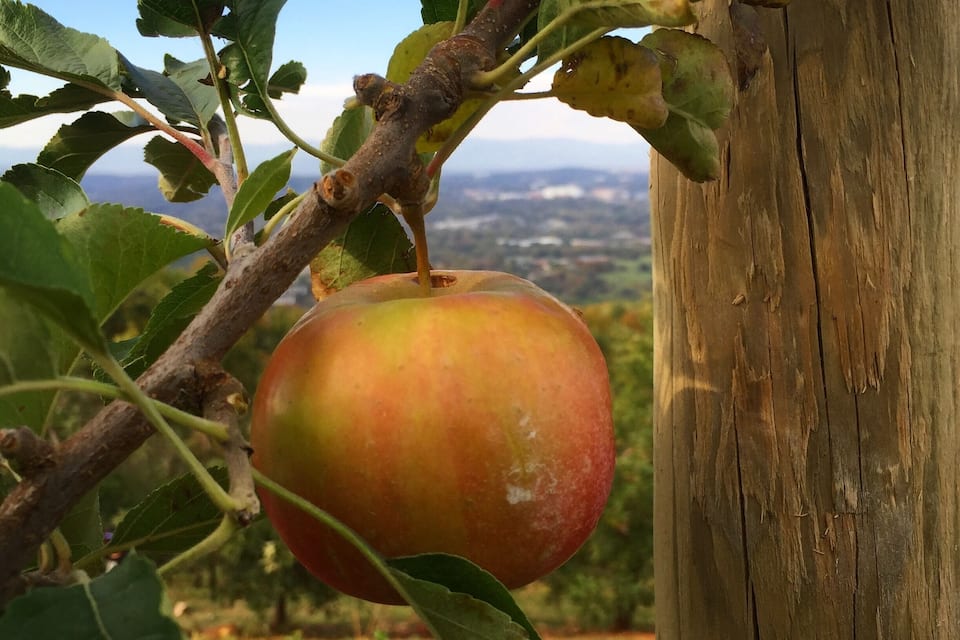
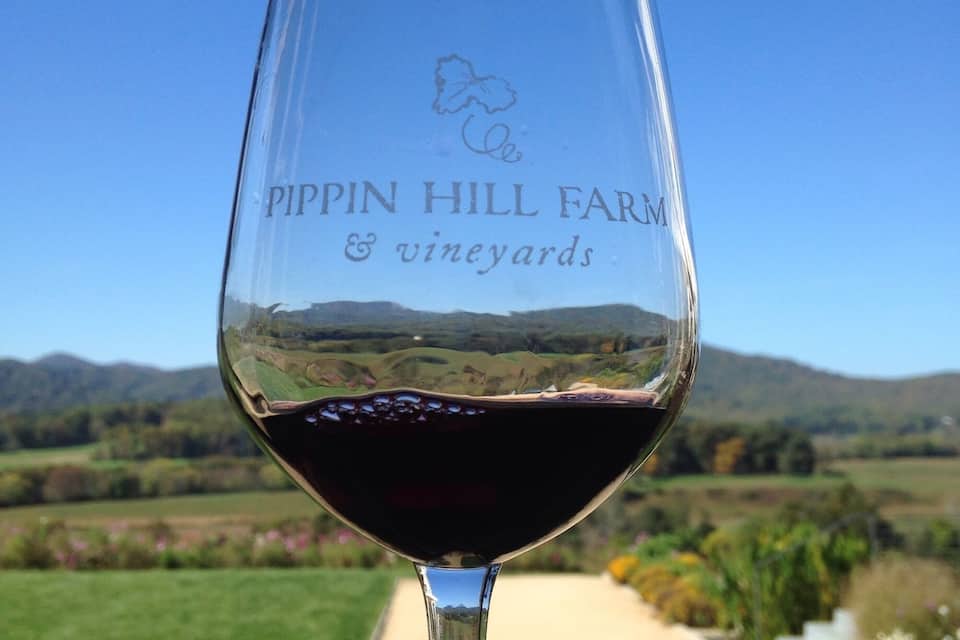
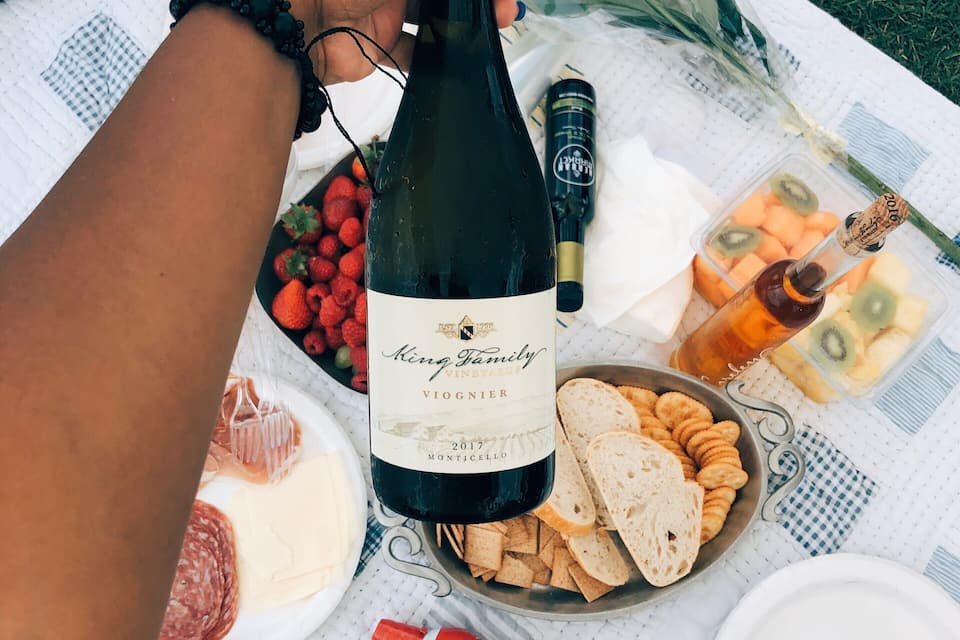
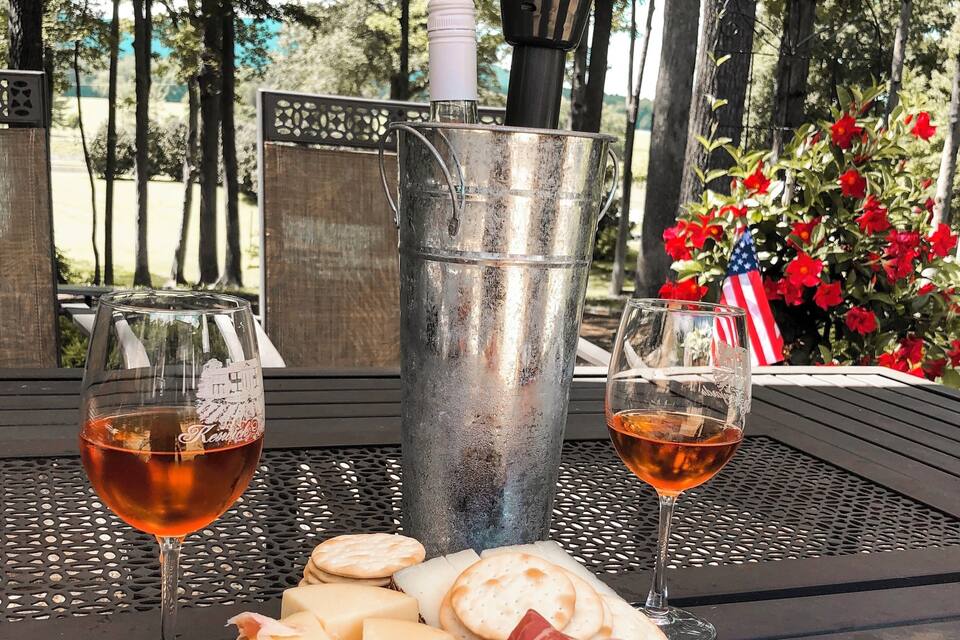
À la recherche d’activités intéressantes à proximité ? Expedia vous aide à trouver et à réserver des activités et attractions prisées, où que vous soyez.


Explorez un monde de voyages avec Expedia
- Aroda : Appart’hôtels
- Aroda : hôtels
- Aroda : Maisons de ville
- Aroda : Complexes hôteliers
- Banco : Maison d’hôtes
- Banco : hôtels Hôtels avec piscine
- Belmont : hôtels Hôtels de luxe
- Big Meadows : hôtels
- Blue Ridge Parkway : hôtels à proximité
- Charlottesville : hôtels Hôtels avec spa
- Charlottesville : hôtels Hôtels pas chers
- Charlottesville : hôtels
- Comté d'Orange : Châteaux
- Crozet : Chambres d’hôtes
- Crozet : Maison d’hôtes
- Crozet : hôtels Hôtels de luxe
- Crozet : hôtels Hôtels historiques
- Crozet : hôtels Hôtels avec restaurant
- Crozet : hôtels
- Crozet : Maisons de campagne
- Crozet : Complexes hôteliers
- Demeure historique Rapidan Camp : hôtels à proximité
- Dyke : hôtels
- Faber : Appart’hôtels
- Faber : hôtels
- Fort Defiance : Maison d’hôtes
- Free Union : Appart’hôtels
- Free Union : hôtels Hôtels avec piscine
- Free Union : hôtels Hôtels pas chers
- Greenwood : hôtels Hôtels pas chers
- Greenwood : hôtels
- Greenwood : Maisons de ville
- Greenwood : Complexes hôteliers
- Harrisonburg : hôtels Hôtels pas chers
- Keswick : Maison d’hôtes
- Keswick : hôtels Hôtels acceptant les animaux de compagnie
- Love : Maison d’hôtes
- Love : hôtels
- Love : Maisons de ville
- Lovingston : hôtels Hôtels avec spa
- Madison : Chambres d’hôtes
- Madison : hôtels Hôtels de plage
- Madison : hôtels
- Madison : Maisons de ville
- Mcgaheysville : Maison d’hôtes
- Mint Springs : hôtels Hôtels avec spa
- Mount Crawford : Complexes hôteliers
- North Downtown : hôtels
- North Garden : Auberges
- North Garden : Maison d’hôtes
- North Garden : hôtels
- North Garden : Complexes hôteliers
- Orange : Chambres d’hôtes
- Orange : Châteaux
- Orange : hôtels Hôtels acceptant les animaux de compagnie
- Orange : hôtels Hôtels de luxe
- Orange : hôtels Hôtels avec spa
- Orange : hôtels Hôtels avec bains à remous
- Palmyra : hôtels Hôtels avec spa
- Parc national de Shenandoah : hôtels à proximité
- Port Republic : Complexes hôteliers
- Rochelle : Appart’hôtels
- Rochelle : Châteaux
- Rochelle : Maison d’hôtes
- Rochelle : hôtels Hôtels avec piscine
- Rochelle : hôtels Hôtels de luxe
- Rochelle : hôtels Hôtels pas chers
- Rochelle : hôtels
- Rochelle : Maisons de ville
- Shenandoah : Lodges
- Shenandoah : Complexes hôteliers
- Staunton : hôtels
- Syrie : hôtels Hôtels de plage
- Syrie : hôtels Hôtels-boutiques
- Syrie : hôtels Hôtels de luxe
- Syrie : hôtels
- Troy : Appart’hôtels
- Troy : hôtels Hôtels de luxe
- University of Virginia : hôtels à proximité
- Vérone : Chambres d’hôtes
- Vérone : Maison d’hôtes
- Vérone : hôtels Hôtels acceptant les animaux de compagnie
- Vérone : hôtels Hôtels avec parking
- Vérone : hôtels Hôtels avec piscine
- Vérone : hôtels Hôtels avec Wi-Fi
- Vérone : hôtels Hôtels d’affaires
- Vérone : hôtels Hôtels dans un domaine viticole
- Vérone : hôtels Hôtels romantiques
- Vérone : hôtels Hôtels avec spa
- Vérone : hôtels Hôtels pas chers
- Vérone : hôtels
- Vérone : Lodges
- Vérone : Complexes hôteliers
- Wintergreen : Auberges
- Wintergreen : Lodges
- Wintergreen : Complexes hôteliers