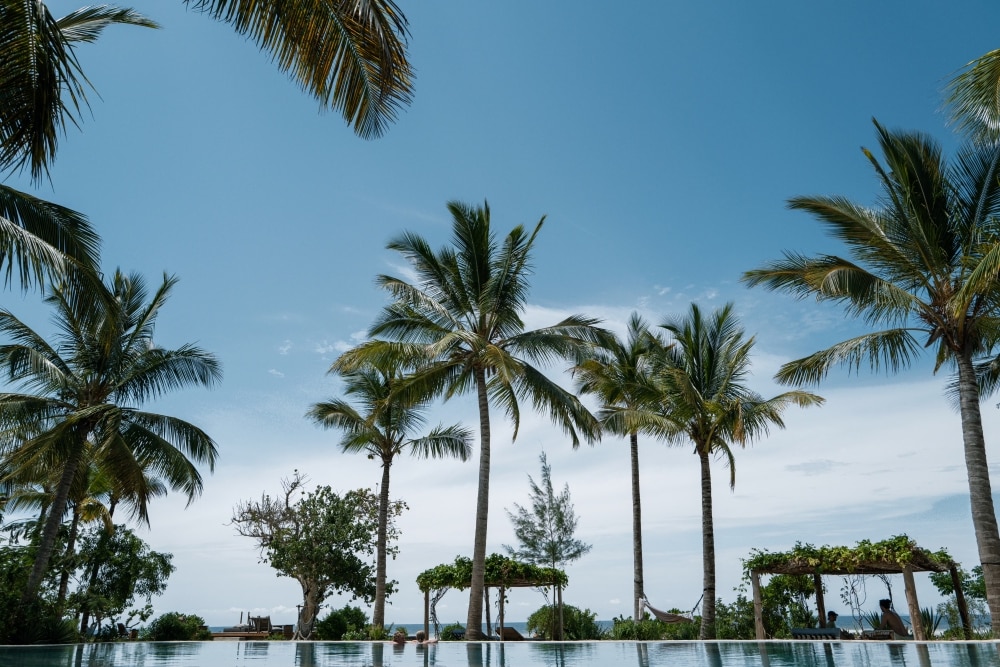
À voir et à faire à Centre de Java
Activités, attractions et visites
Découvrez cette destination : Centre de Java


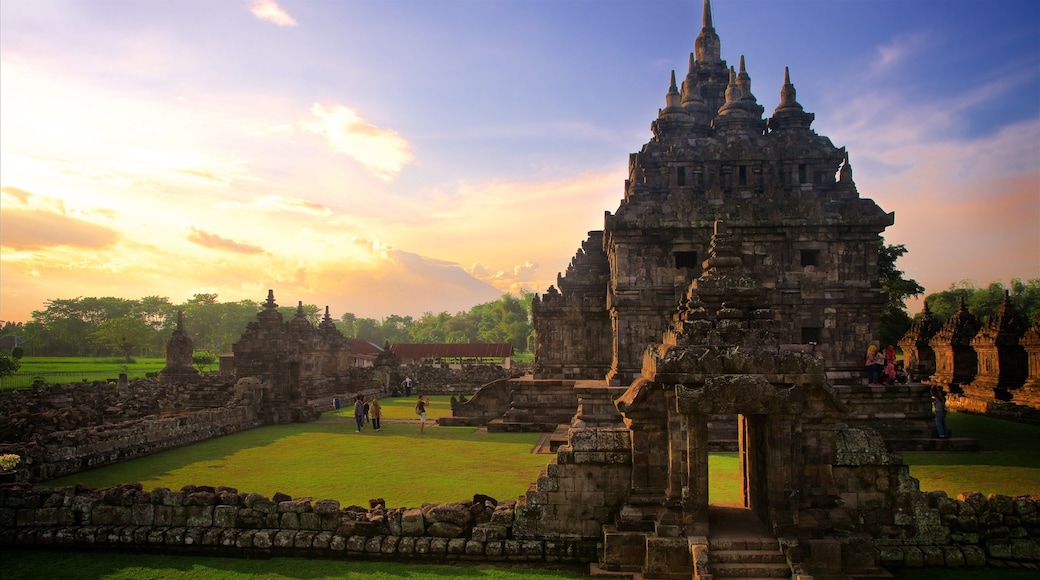
Activités

Yogyakarta Jomblang, visite de la grotte de Pindul et de la rivière avec déjeuner


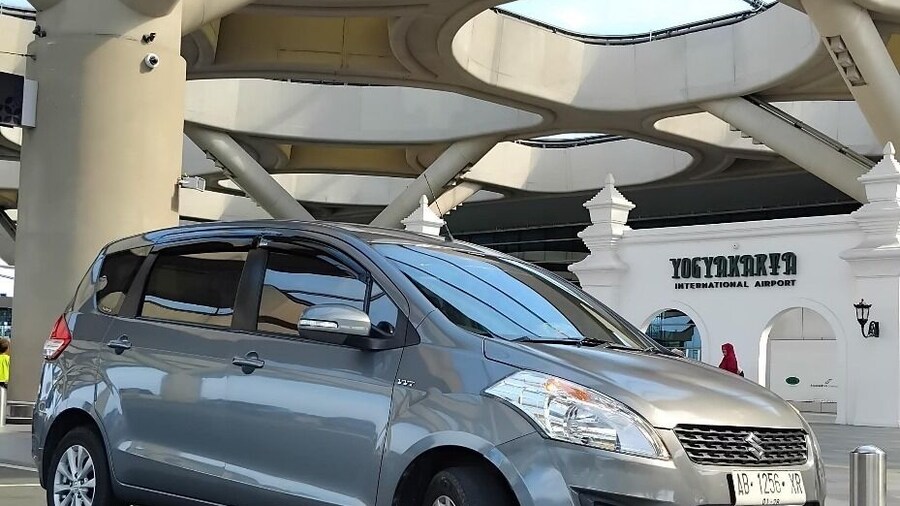
Transfert de/à l'aéroport international de Yogyakarta (YIA)

Billet pour l'expérience du pique-nique Boko

Ascension garantie du Borobudur et visite de Prambanan excursion, tout compris

Borobudur Sunrise at Temple Tour avec Petit-déjeuner de luxe inclus

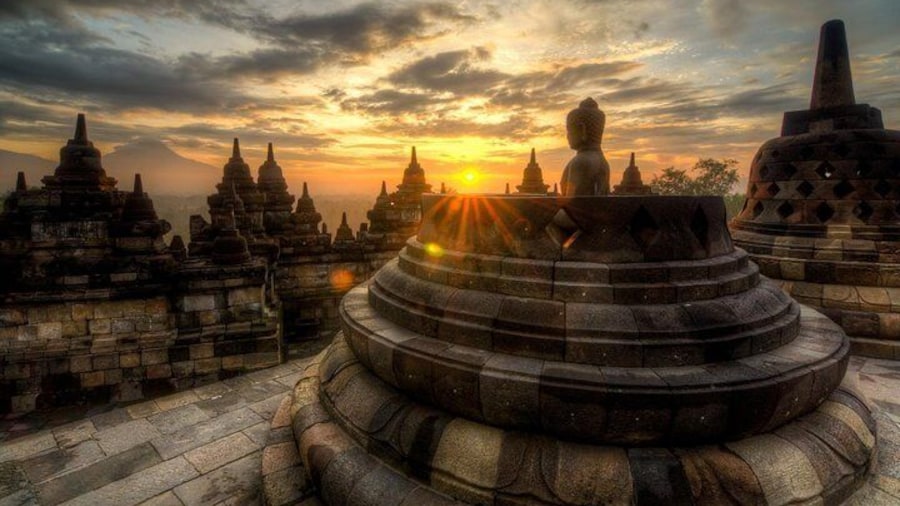
Excursion d'une journée complète au lever du soleil de Borobudur depuis la colline de Setumbu, le volcan Merapi et Prambanan
 Découvrez les activitésDécouvrez des milliers d’expériences incluant des activités, des attractions, des excursions d’une journée et les transferts disponibles.
 Réservez facilementÉvitez les files d’attente en réservant rapidement vos billets en ligne pour les principales attractions et bénéficiez d’une annulation gratuite pour de nombreuses activités.
 Faites-vous plaisirLes membres économisent % ou plus lors de la réservation d’activités.
Séjournez à proximité d’attractions populaires à Centre de Java
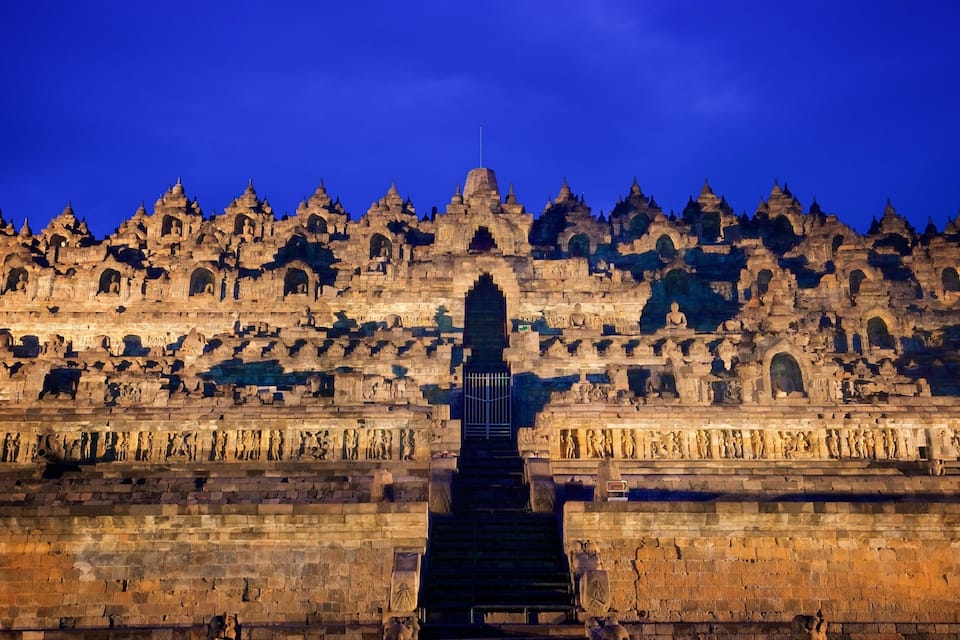
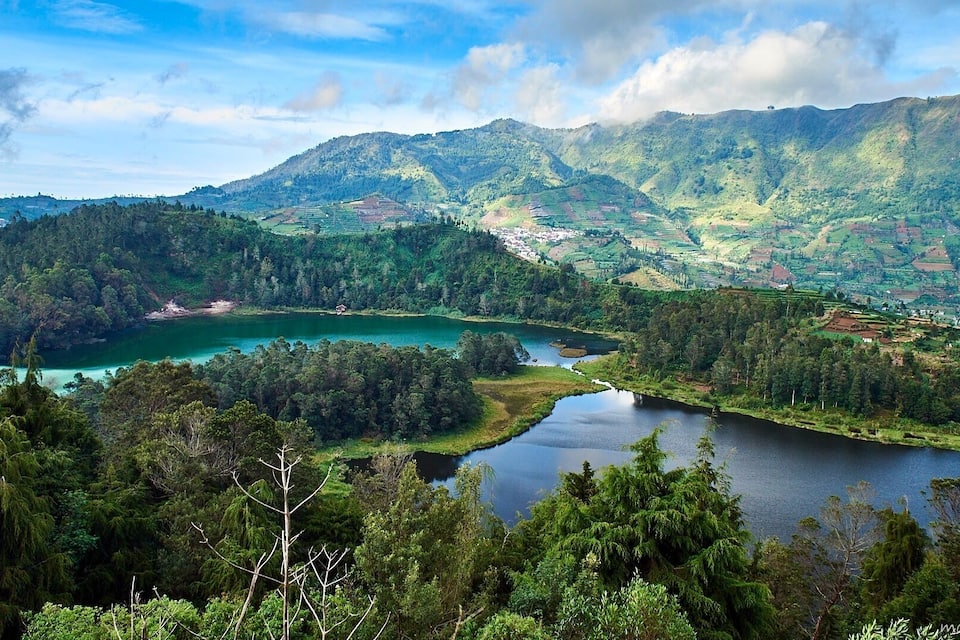
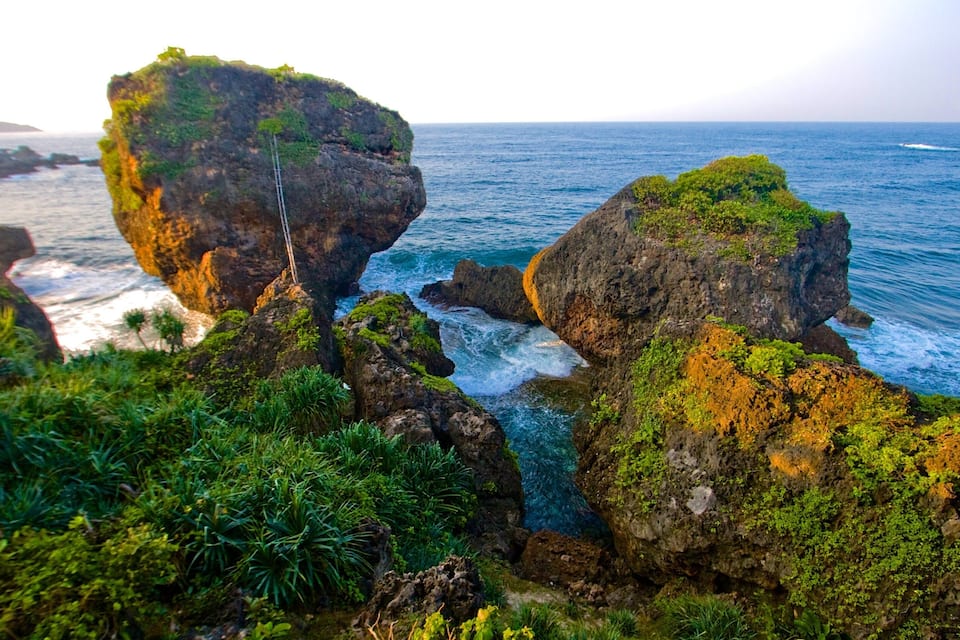

Voyage à Centre de Java : les meilleurs quartiers
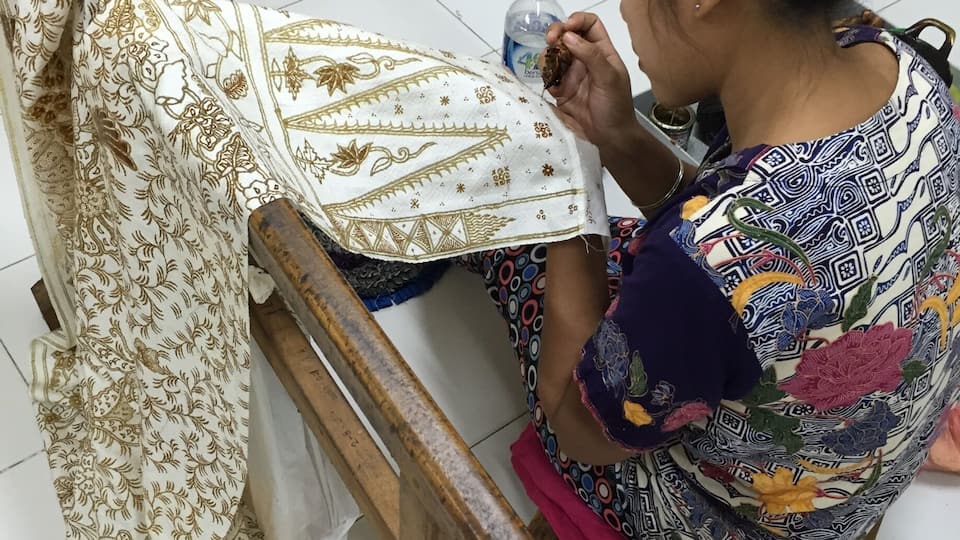
Centre-ville de Solo
À Centre-ville de Solo, vous pourrez profiter des musées et des trésors zoologiques. Vous aimerez certainement prendre le temps de découvrir les emblématiques Solo Paragon Lifestyle Mall (centre commercial) et Parc de Keprabon.
Simpang Lima
Si vous passez la plus grande partie de votre temps à Simpang Lima, il existe des lieux à ne manquer sous aucun prétexte : Parc Simpang Lima et Centre commercial Ciputra Mall Semarang.
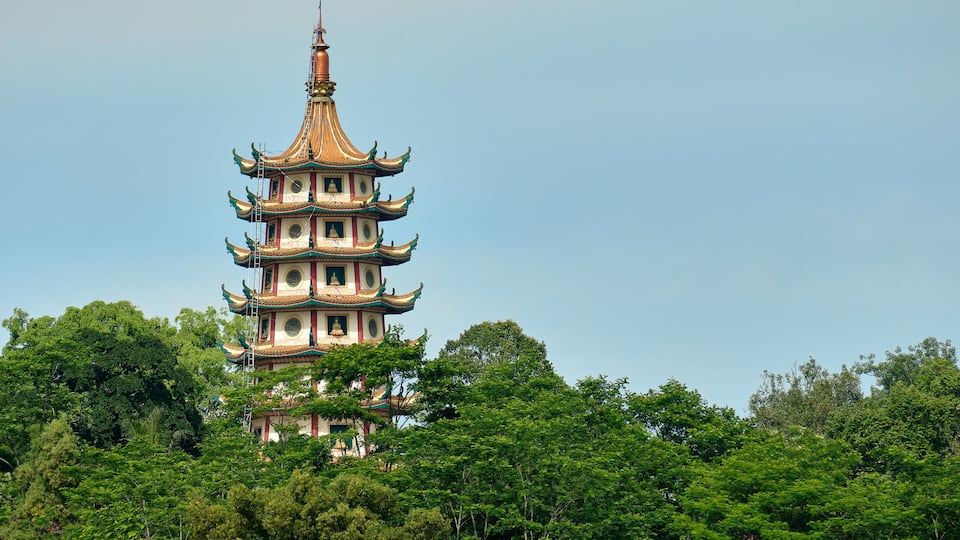
Banyumanik
Si vous passez la plus grande partie de votre temps à Banyumanik, il existe des lieux à ne manquer sous aucun prétexte : Centre commercial Transmart Setiabudi Semarang et Pagode Avalokitesvara.
Vieille Ville de Semarang
Vieille Ville de Semarang est remarquable pour ses boutiques, et vous pourrez découvrir ses attractions phares telles que les emblématiques Vieille Ville de Semarang et Galerie d'Art Contemporain de Semarang.
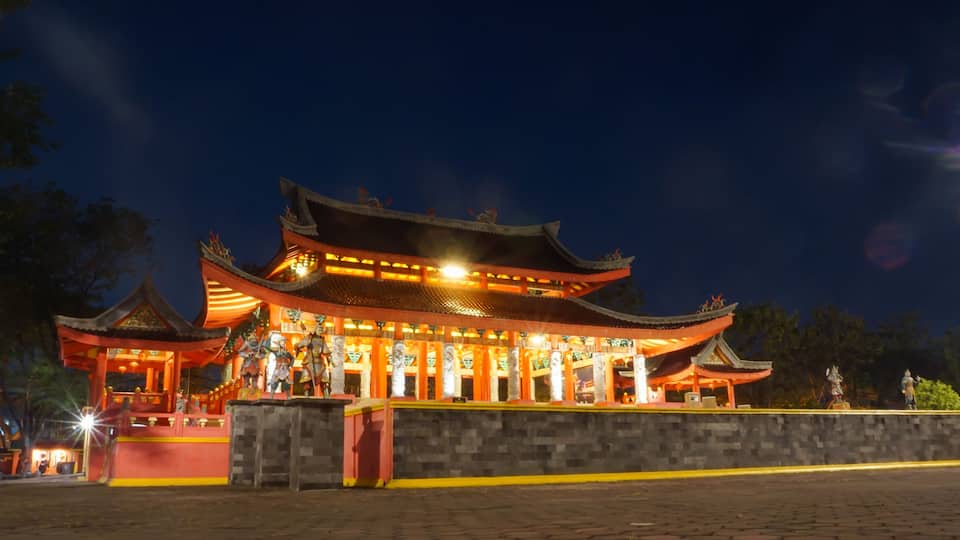
Semarang Barat
Même si Semarang Barat n'offre pas un grand nombre de sites exceptionnels, il existe des endroits magnifiques à visiter à proximité : Lawang Sewu et Centre Commercial DP Semarang.
À la recherche d’activités intéressantes à proximité ? Expedia vous aide à trouver et à réserver des activités et attractions prisées, où que vous soyez.
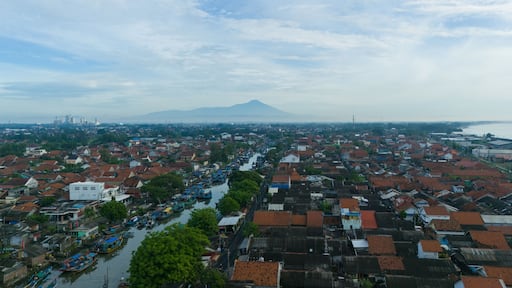
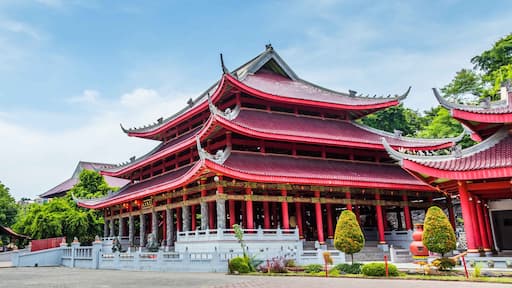


Explorez un monde de voyages avec Expedia
- Magelang : hôtels 3 étoiles
- Borobudur : hôtels 5 étoiles
- Surakarta : hôtels 5 étoiles
- Baki : hôtels
- Baki : Complexes hôteliers
- Borobudur : Appart’hôtels
- Borobudur : Chambres d’hôtes
- Borobudur : hôtels Hôtels avec bar
- Borobudur : Hôtels capsule
- Borobudur : hôtels Hôtels d’affaires
- Borobudur : hôtels Hôtels-boutiques
- Borobudur : hôtels Hôtels de luxe
- Borobudur : hôtels Hôtels d’aventure
- Borobudur : hôtels Hôtels tout compris
- Borobudur : hôtels Séjours réservés aux adultes
- Borobudur : hôtels
- Borobudur : Complexes hôteliers
- Dieng : hôtels
- Îles Karimun Jawa : hôtels
- Îles Karimun Jawa : Complexes hôteliers
- Îles Karimun Jawa : Ryokans
- Kaliurang : Chambres d’hôtes
- Kaliurang : hôtels Hôtels pas chers
- Kebasen : hôtels Hôtels avec piscine
- Kejajar : Chambres d’hôtes
- Kejajar : Complexes hôteliers
- Mlonggo : Chambres d’hôtes
- Mlonggo : Complexes hôteliers
- Salam : hôtels Hôtels pas chers
- Salam : hôtels
- Semarang : Complexes hôteliers
- Slawi : hôtels OYO Rooms
- Tawangmangu : hôtels Hôtels familiaux
- Wonosobo : hôtels Independent