À voir et à faire à Comté de Camden
Activités, attractions et visites
Découvrez cette destination : Comté de Camden



Activités

Visite à pied historique du centre-ville de Fernandina
27 €
par adulte
Recommandé par 100 % des voyageurs

Excursion en bateau CraigCat au départ de la plage de Fernandina
120 €
par adulte
Recommandé par 98 % des voyageurs

Visite guidée écologique en kayak: véritable aventure en Floride
53 €
par adulte
Recommandé par 90 % des voyageurs
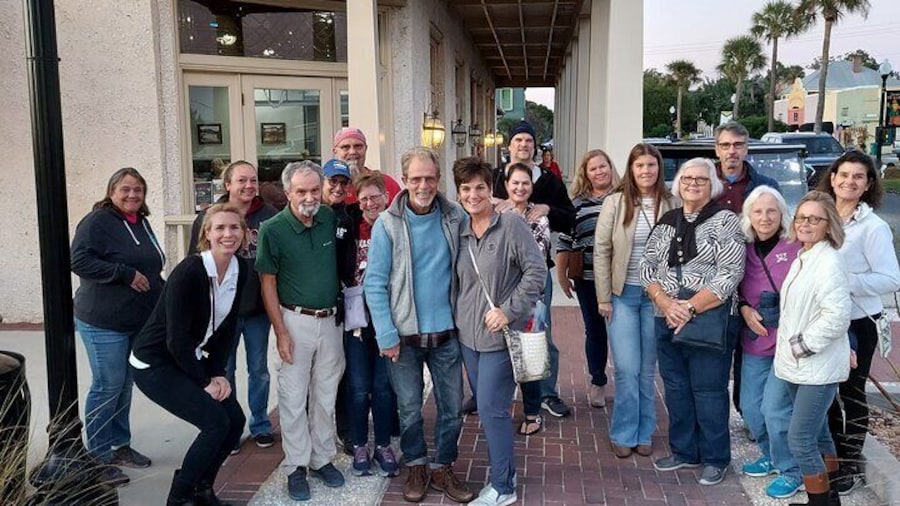
Visite à pied du meurtre, du chaos et des martinis de St. Marys
21 €
par adulte

Aventure Arcimoto FUV autoguidée de 90 minutes
143 €
par voyageur
Recommandé par 100 % des voyageurs
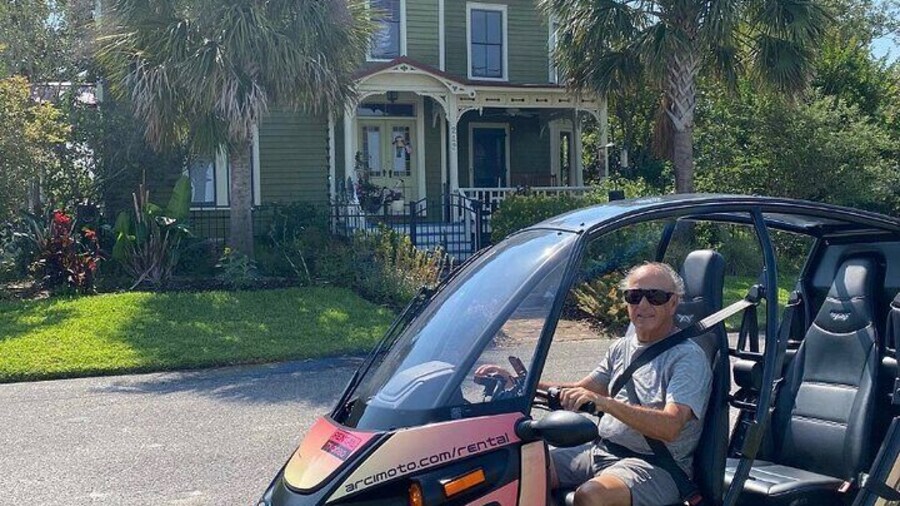
Visite guidée d'Arcimoto FUV sur l'île d'Amelia
178 €
par voyageur

Chasse privée en bateau de pêche côtière à Amelia Island
623 €
par adulte
Recommandé par 100 % des voyageurs
 Découvrez les activitésDécouvrez des milliers d’expériences incluant des activités, des attractions, des excursions d’une journée et les transferts disponibles.
 Réservez facilementÉvitez les files d’attente en réservant rapidement vos billets en ligne pour les principales attractions et bénéficiez d’une annulation gratuite pour de nombreuses activités.
 Faites-vous plaisirLes membres économisent % ou plus lors de la réservation d’activités.
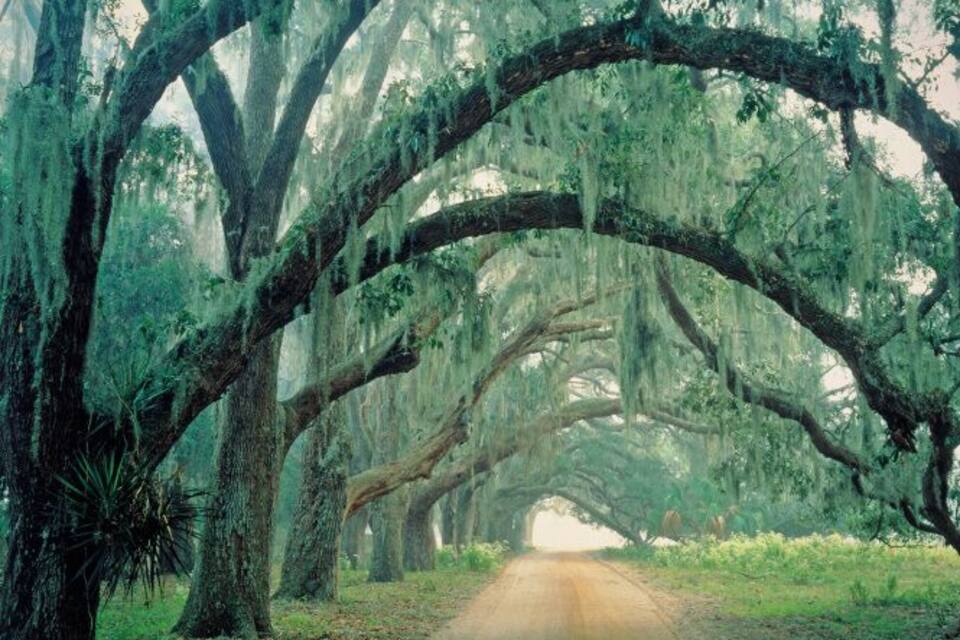

À la recherche d’activités intéressantes à proximité ? Expedia vous aide à trouver et à réserver des activités et attractions prisées, où que vous soyez.
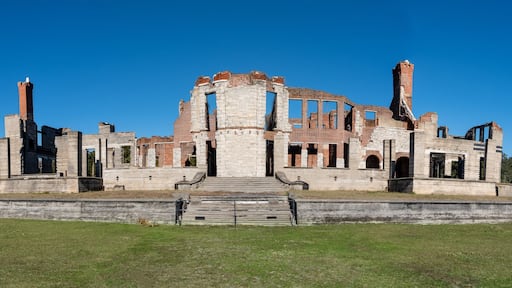
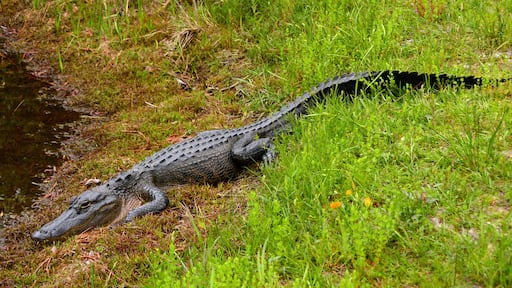
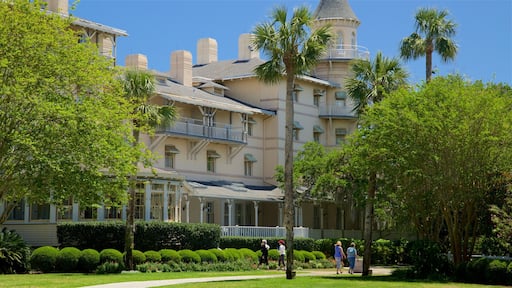

Explorez un monde de voyages avec Expedia
- Blackshear : hôtels Hôtels avec bains à remous
- Brunswick : Maison d’hôtes
- Brunswick : hôtels Hôtels familiaux
- Brunswick : hôtels Hôtels pas chers
- Brunswick : hôtels
- Club de golf Sea Island : hôtels à proximité
- Crescent : Complexes hôteliers
- Darien : Maison d’hôtes
- Darien : Lodges
- Demere Park : hôtels Hôtels d’aventure
- Driftwood Beach : hôtels à proximité
- East Beach : hôtels Hôtels acceptant les animaux de compagnie
- Fargo : Chambres d’hôtes
- Fargo : Maison d’hôtes
- Fargo : hôtels Hôtels pas chers
- Fargo : Motels
- Golden Isles de Géorgie : hôtels Hôtels de luxe
- Golden Isles de Géorgie : hôtels Hôtels pas chers
- Golden Isles de Géorgie : Maisons de ville
- Hoboken : Chambres d’hôtes
- Hoboken : hôtels Hôtels pas chers
- Hoboken : hôtels
- Ile St. Simons : Appart’hôtels
- Ile St. Simons : hôtels Hôtels de plage
- Ile St. Simons : hôtels Hôtels avec spa
- Ile St. Simons : hôtels
- Jekyll Island : Maison d’hôtes
- Jekyll Island : hôtels Hôtels avec parc aquatique
- Jekyll Island : Maisons de ville
- Jekyll Island : Complexes hôteliers
- Jesup : Complexes hôteliers
- Kingsland : Palaces
- Ludowici : Maison d’hôtes
- Ludowici : Complexes hôteliers
- Nahunta : Chambres d’hôtes
- Neptune Park : hôtels à proximité
- Riceboro : Maison d’hôtes
- Saint George : hôtels
- Sapelo Island : Complexes hôteliers
- Sea Island : hôtels Hôtels de plage
- Sea Island : hôtels
- Sea Island : Complexes hôteliers
- St. Marys : Cabanes dans les arbres
- Summer Waves Water Park : hôtels à proximité
- Waverly : Appart’hôtels
- White Oak : Auberges
- White Oak : hôtels Hôtels de luxe