Guide de voyage: New Buckenham 2026
New Buckenham : idées de séjour, infos pratiques et culturelles
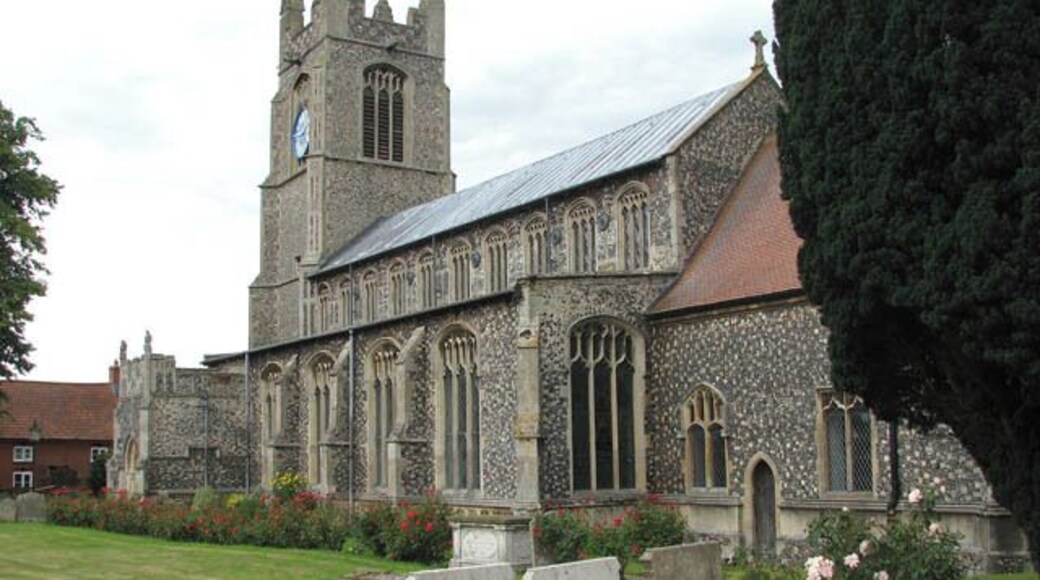

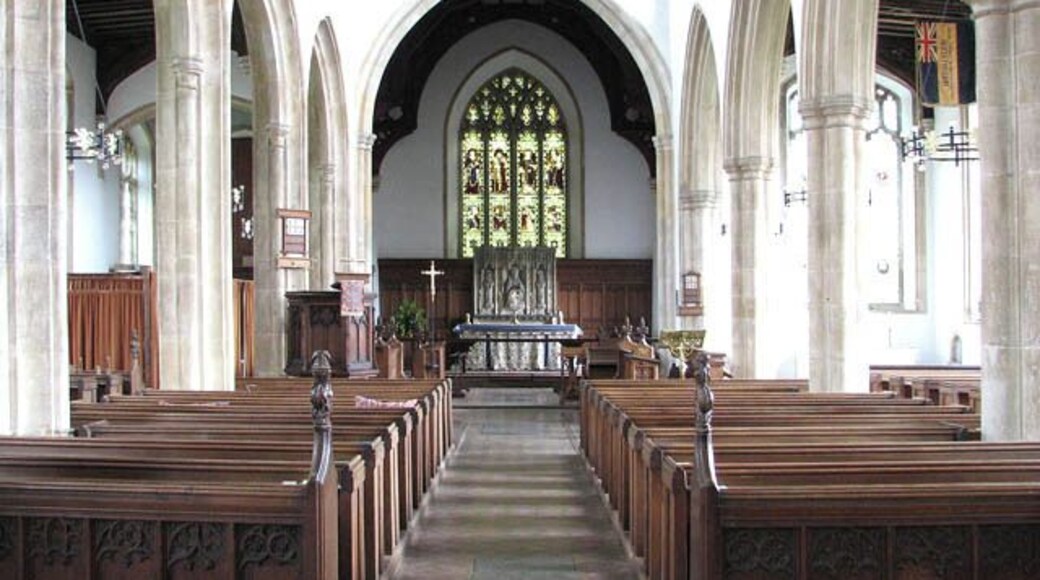

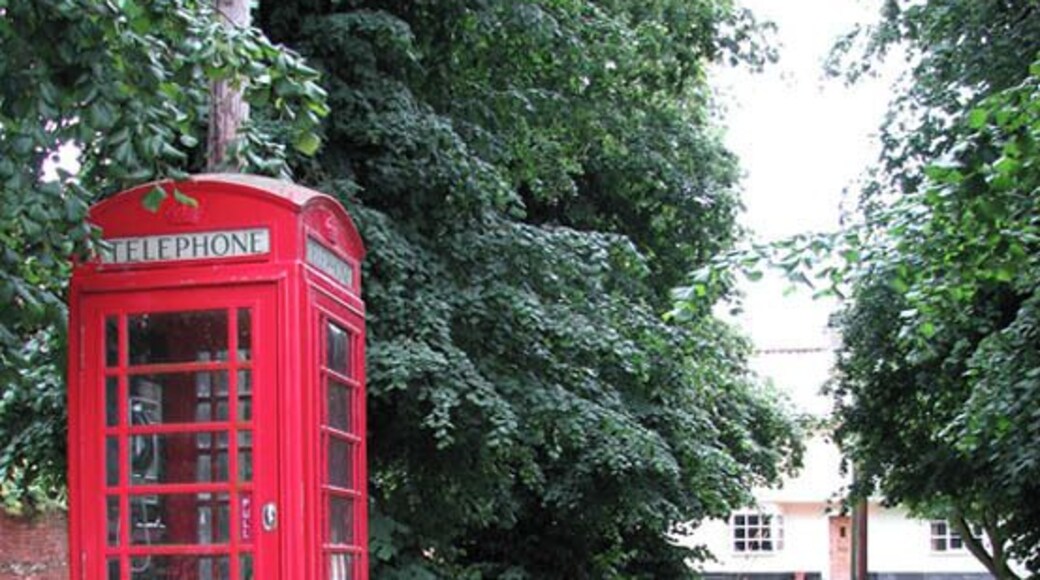
Découvrez cette destination : New Buckenham

Sprowston Manor Hotel, Spa & Golf
Wroxham Road Norwich England
Le prix est de 92 € par nuit du 20 sept. au 21 sept..
92 €
20 sept. - 21 sept.
taxes et frais compris
Séjournez dans cet hôtel avec spa à Norwich. Cet hébergement propose le Wi-Fi gratuit, un parking gratuit et un spa proposant des soins complets. D'après les ...

Dunston Hall Hotel, Spa and Golf Resort
Ipswich Road Norwich England
Le prix est de 132 € par nuit du 8 oct. au 9 oct..
132 €
8 oct. - 9 oct.
taxes et frais compris
Séjournez dans cet hôtel avec spa à Norwich. Cet hébergement propose le Wi-Fi gratuit, un spa proposant des soins complets et un terrain de golf. D'après les ...
8,4/10 Très bien ! (1 000 avis)
"Le lieu est absolument magnifique, la propriété, le parc, les arbres. En revanche les lieux de restauration ont clairement besoin d'un manager. Malgré le nombre conséquent de personnel, le petit déjeuner n'était pas régulièrement fourni. Les employés sont cachés à droite à gauche, occupés à plier ..."
Avis laissé le 27 oct. 2024

George Hotel, BW Signature Collection
Arlington Lane Norwich England
Le prix est de 114 € par nuit du 4 oct. au 5 oct..
114 €
4 oct. - 5 oct.
taxes et frais compris
Séjournez dans cet hôtel très pratique pour les voyages d'affaires à Norwich. Cet hébergement propose le Wi-Fi gratuit, un parking gratuit et le petit déjeuner ...
9/10 Extraordinaire ! (994 avis)
No heating in bathroom
"Charming hotel but there was no heating in the bathroom which was very cold (10 C). You can feel the freezing cold through the windows and walls."
Avis laissé le 19 déc. 2022
Prix le plus bas trouvé au cours des 24 dernières heures sur la base d’un séjour d’une nuit pour 2 adultes. Les prix et la disponibilité sont susceptibles de changer. D’autres conditions peuvent s’appliquer.
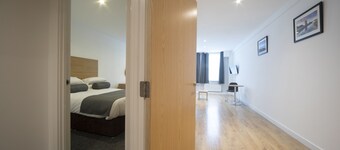
Wellington Apartments
St Faiths Ln Norwich England
Séjournez dans cet appart'hôtel à Norwich. Cet hébergement propose le Wi-Fi gratuit, une réception ouverte 24 h/24 et un service de conciergerie. D'après les ...
9/10 Extraordinaire ! (469 avis)
"Very good apartment in excellent location. The beds were very comfortable and the kitchen was well fitted. It’s good to have the reception manned 24 hours. I shall go again."
Avis laissé le 15 sept. 2026
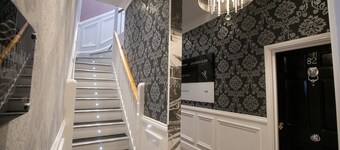
Number 82 The Unthank
Unthank Road Norwich England
Séjournez dans cet appartement de luxe à Norwich. Cet hébergement propose le Wi-Fi gratuit, un parking gratuit et une salle de fitness ouverte 24 h/24. Des attractions ...
8,2/10 Très bien ! (187 avis)
"First impressions were very good and the room I stayed in looked impressive however, there were many issues inside the room from, TV would not switch on, the kettle did not work at all when I came to use it on the morning. Some of the lighting didn't work, the room seemed to be next to a generator ..."
Avis laissé le 9 sept. 2026
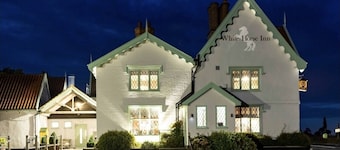
The White Horse Inn
Norwich Road (Main A140) Eye England
Séjournez dans cet appartement à Eye. Cet hébergement propose un parking gratuit et un restaurant. Des attractions populaires, comme Mid-Suffolk Light Railway ...
9,4/10 Exceptionnel ! (313 avis)
propre, confortable, mais froid
"hotel confortable, mais situé en bordure d'une route très passante, et trop impersonnel."
Avis laissé le 30 avr. 2015
Prix le plus bas trouvé au cours des 24 dernières heures sur la base d’un séjour d’une nuit pour 2 adultes. Les prix et la disponibilité sont susceptibles de changer. D’autres conditions peuvent s’appliquer.
Activités
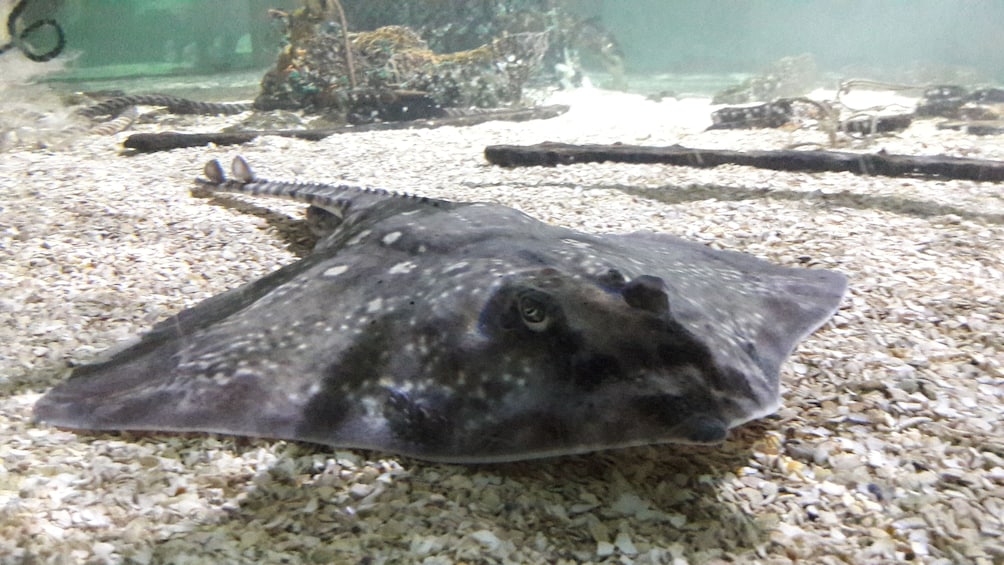
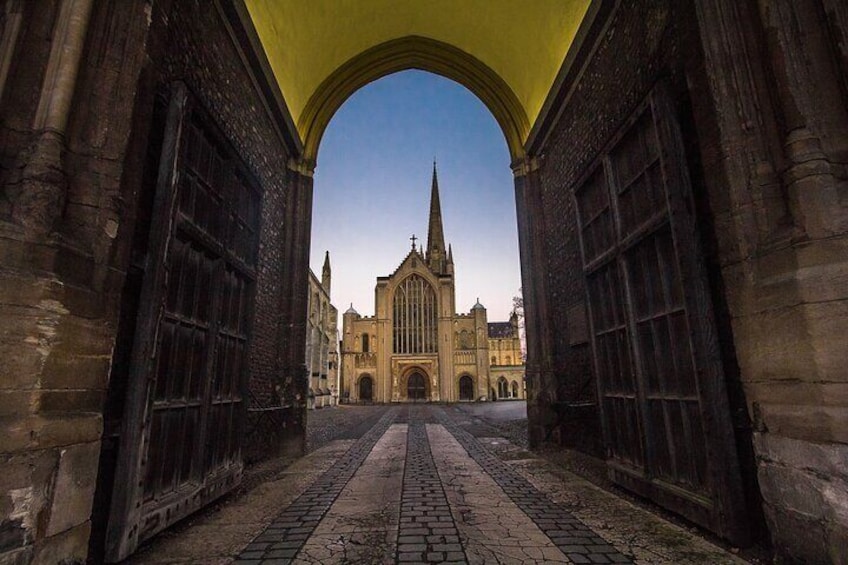
Norwich Tour App, Hidden Gems Game et Big Britain Quiz (Pass 1 jour) Royaume-Uni
18 €
par voyageur
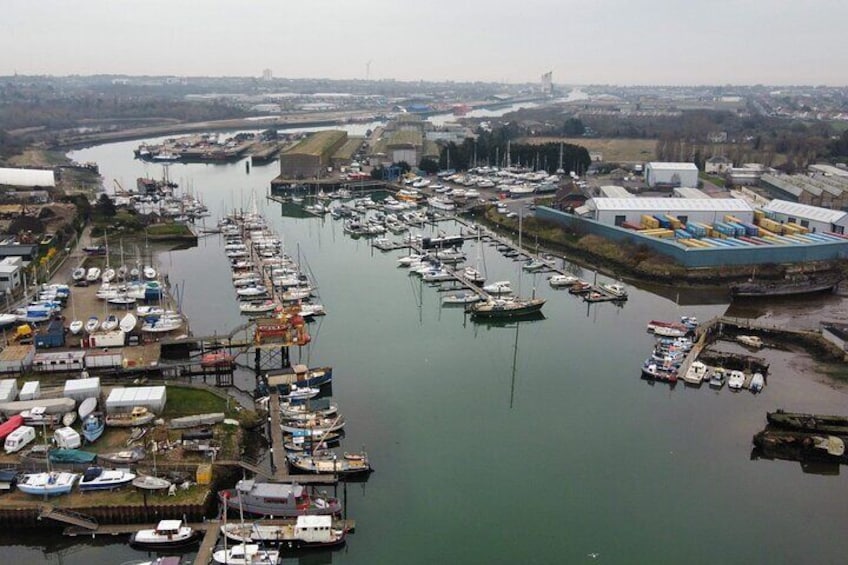
Visite du port de Lowestoft
28 €
par adulte
Recommandé par 100 % des voyageurs
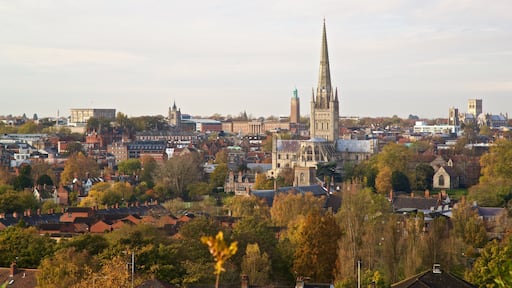

Explorez un monde de voyages avec Expedia
- Brome : hôtels
- Bungay : hôtels
- Caistor St Edmund : Maisons de campagne
- Centre-Ville de Norwich : hôtels Hôtels pour faire du shopping
- Centre-Ville de Norwich : hôtels
- Cotton : Maison d’hôtes
- Cotton : hôtels
- Norfolk : hôtels
- Diss : hôtels Hôtels-boutiques
- Dunston : hôtels
- Eaton : Auberges
- Eaton : hôtels
- Eaton : Lodges
- Eaton Park : hôtels à proximité
- Eaton : Ranchs
- Eaton : Résidences de vacances
- Eye : hôtels
- Gissing : Lodges
- Hoxne : hôtels
- Mellis : hôtels
- Mendham : Chambres d’hôtes
- Mulbarton : hôtels
- Norfolk : Bateaux de croisière
- Norfolk : Chambres d’hôtes
- Norfolk : Maison d’hôtes
- Norfolk : Maisons de ville
- Norfolk : Pousadas
- Norfolk : Résidences de vacances
- Norwich : Maison d’hôtes
- Norwich : hôtels Hôtels tout compris
- Norwich : Maisons de ville
- Roydon : hôtels
- Scole : Résidences de vacances
- Scole : Complexes hôteliers
- Tacolneston : hôtels
- Thetford : Maison d’hôtes
- Thetford : hôtels Hôtels avec spa
- Thetford : hôtels
- Thetford : Motels
- Thompson : hôtels
- University of East Anglia : hôtels à proximité
- Village de vacances Badwell Ash : Auberges