Réservez votre séjour à Gop
Recherchez vos vacances Ă Gop en 2026
- Planifiez, réservez et voyagez en toute confiance
- RĂ©servez tout ensembleĂconomisez jusquâĂ 517 ⏠lorsque vous rĂ©servez un vol et un hĂŽtel ensemble*.
- Trouvez le bon hÎtelAvec plus de 300 000 hÎtels à travers le monde, créer la formule vacances parfaite est facile.
- Simplifiez-vous la viePlanifiez, rĂ©servez et gĂ©rez votre sĂ©jour en un seul et mĂȘme endroit.
Gop : les hĂŽtels populaires


Swosti Premium Beach Resorts Puri
New Marine Drive Rd, Sipasarubali Brahmagiri Odisha
EntiÚrement remboursableRéservez maintenant, payez lors de votre séjour
Le prix est de 116 ⏠par nuit du 31 mars au 1 avr..
116 âŹ
31 mars - 1 avr.
taxes et frais compris

Fortune Beachfront, Puri - Member ITC Hotels' Group
Sipasartubali Baliapanda Brahmagiri Odisha
Le prix est de 133 ⏠par nuit du 24 mars au 25 mars.
133 âŹ
24 mars - 25 mars
taxes et frais compris
Prix le plus bas trouvĂ© au cours des 24 derniĂšres heures sur la base dâun sĂ©jour dâune nuit pour 2 adultes. Les prix et la disponibilitĂ© sont susceptibles de changer. Dâautres conditions peuvent sâappliquer.
Lieux et endroits incontournables Ă Gop
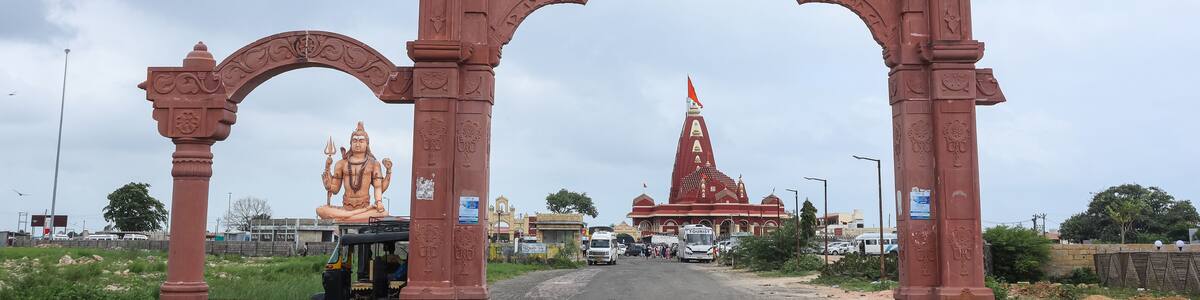
![Konark Sun Temple is a 13th-century CE Sun Temple at Konark in Orissa, India. It is believed that the temple was built by king Narasimhadeva I of Eastern Ganga Dynasty[2] in 1255 CE.[3] The temple complex is in the shape of a gigantic chariot, having elaborately carved stone wheels, pillars and walls. A major part of the structure is now in ruins. The temple is a UNESCO World Heritage Site[4] and has also featured on various list of Seven Wonders of India. The temple is 35 km from Puri and 65 km from Bhubaneswar.
The name Konark derives from the combination of the Sanskrit words, Kona (corner or angle) and Ark (the sun), in reference to the temple which was dedicated to the Sun God Surya.[4]
The monument was also called the Black Pagoda'(Kaala Pagoda) by the European sailors. In contrast, the Jagannath Temple in Puri was called the White Pagoda. Both temples served as important landmarks for the sailors.[5] Konark Sun Temple used Iron beams for its structure.
The temple was originally built at the mouth of the river Chandrabhaga, but the waterline has receded since then. The temple has been built in the form of a giant ornamented chariot of the Sun god, Surya. It has twelve pairs of elaborately carved stone wheels which are 3 meters[4] wide and is pulled by a set of seven horses (4 on the right and 3 on the left).[6] The temple follows the traditional style of Kalinga architecture. It is carefully oriented towards the east so that the first rays of sunrise strikes the principal entrance.[4] The temple is built from Khondalite rocks.[7][8]
The original temple had a main sanctum sanctorum (vimana), which was supposedly 229 feet[6] (70 m) tall. Due to the weight of the superstructure (70 m tall) and weak soil of the area, the main vimana fell in 1837.[9] The audience hall (Jagamohana), which is about 128 feet (39 m) tall, still stands and is the principal structure in the surviving ruins. Among the structures, which have survived to the current day, are the dance hall (Nata mandira) and dining hall](https://images.trvl-media.com/place/6156018/09fea146-89a8-4536-94db-75e3922ba387.jpg?impolicy=fcrop&w=900&h=506&q=mediumHigh)
Temple du Soleil de KonĂąrak
AprĂšs avoir visitĂ© Temple du Soleil de KonĂąrak, pensez Ă jeter un Ćil aux autres curiositĂ©s et activitĂ©s Ă Gop. Cette destination fera le bonheur des mordus de culture avec ses festivals, mais aussi des amoureux de nature grĂące Ă ses levers du soleil.
Explorez un monde de voyages avec Expedia
* Ăconomies basĂ©es sur les rĂ©servations de formules par rapport au prix des mĂȘmes composants rĂ©servĂ©s sĂ©parĂ©ment. Ăconomies non disponibles sur certaines formules.