Guide de voyage: Tegalrejo 2026
Tegalrejo : idées de séjour, infos pratiques et culturelles
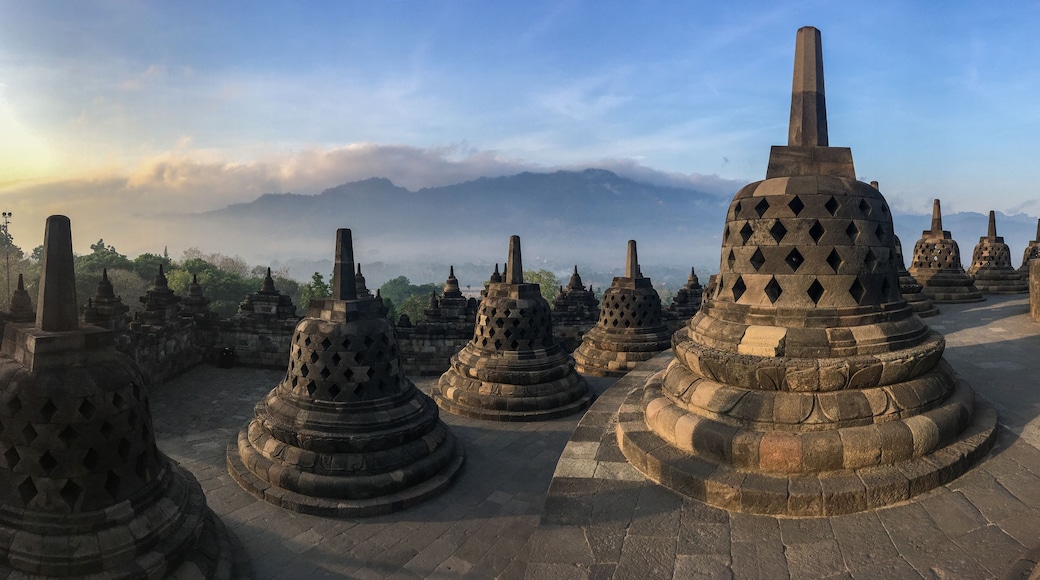


Découvrez cette destination : Tegalrejo

Hotel Tentrem Yogyakarta
Jl. P. Mangkubumi 72A Yogyakarta Yogyakarta
Le prix est de 113 € par nuit du 29 oct. au 30 oct..
113 €
29 oct. - 30 oct.
taxes et frais compris
Séjournez dans cet hôtel de luxe à Yogyakarta. Cet hébergement propose le petit déjeuner gratuit, le Wi-Fi gratuit et un parking gratuit. Des attractions populaires, ...

Yogyakarta Marriott Hotel
Jalan Ringroad Utara, Condong Catur Depok
Le prix est de 104 € par nuit du 15 nov. au 16 nov..
104 €
15 nov. - 16 nov.
taxes et frais compris
Séjournez dans cet hôtel de luxe à Depok. Cet hébergement propose le Wi-Fi gratuit, un parking gratuit et un spa proposant des soins complets. D'après les avis ...
9,4/10 Exceptionnel ! (299 avis)
"Wonderful stay. The staff is talig care of their visitors."
Avis laissé le 23 juil. 2026

Hyatt Regency Yogyakarta
Jalan Palagan Tentara Pelajar Ngaglik Yogyakarta
Le prix est de 84 € par nuit du 23 nov. au 24 nov..
84 €
23 nov. - 24 nov.
taxes et frais compris
Séjournez dans ce complexe touristique de luxe à Ngaglik. Cet hébergement propose le Wi-Fi gratuit, un parking gratuit et un spa proposant des soins complets. ...
9,2/10 Extraordinaire ! (389 avis)
"Notre sejour dans cet établissement à été exceptionnelle. Pour commencer, le cadre est idyllique ( vert, grand , calme) c'est vraiment un plaisir de s'y balader. Un peu éloigné du centre mais.les nombreux taxis vous y emmènent à petit prix, donc pas de panique de ce côté là. La chambre est grande, ..."
Avis laissé le 16 juil. 2026
Prix le plus bas trouvé au cours des 24 dernières heures sur la base d’un séjour d’une nuit pour 2 adultes. Les prix et la disponibilité sont susceptibles de changer. D’autres conditions peuvent s’appliquer.

Allure Villa Yogyakarta
Jl. Jambon Tengah Yogyakarta Jogja
Séjournez dans cette villa très pratique pour les voyages d'affaires à Yogyakarta. Cet hébergement propose le Wi-Fi gratuit, un parking gratuit et des piscines ...

Oakwood Yogyakarta
Jl. A.M. Sangaji No.36, Yogyakarta
Séjournez dans cet appart'hôtel de luxe à Yogyakarta. Cet hébergement propose un parking gratuit, le petit déjeuner (en supplément) et un service d'étage 24 ...

House with 3 BR near XTSquare @Nitikan HouseA
Jogja Jogja
Séjournez dans cette maison de vacances à Yogyakarta. Cet hébergement propose la climatisation. Des attractions populaires, comme Jalan Malioboro et Parc Lapangan ...
Prix le plus bas trouvé au cours des 24 dernières heures sur la base d’un séjour d’une nuit pour 2 adultes. Les prix et la disponibilité sont susceptibles de changer. D’autres conditions peuvent s’appliquer.
Tegalrejo : vérifiez la disponibilité des hôtels
Séjournez à proximité d’attractions populaires à Tegalrejo
Activités

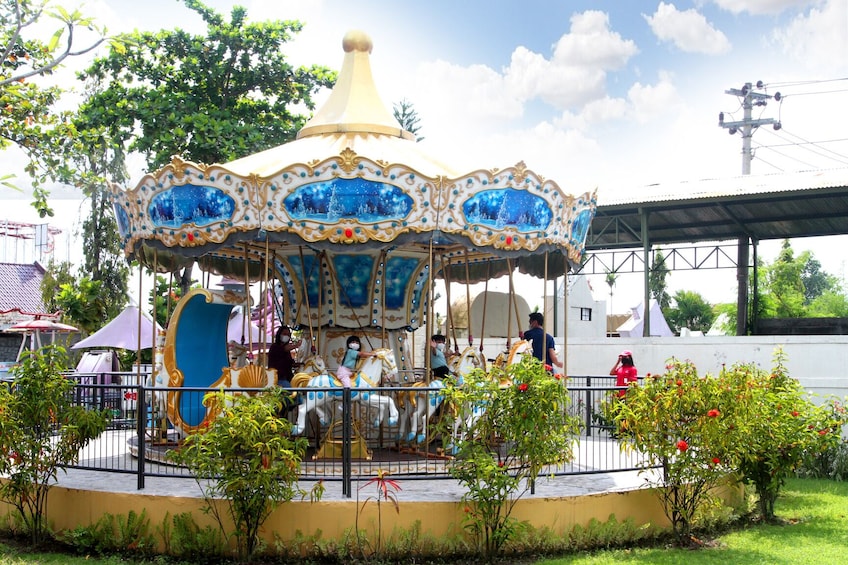

Billet pour l'expérience du pique-nique Boko
10 €
par adulte

Ascension garantie du Borobudur et visite de Prambanan en formule tout compris excursion
20 €
par adulte
Recommandé par 100 % des voyageurs
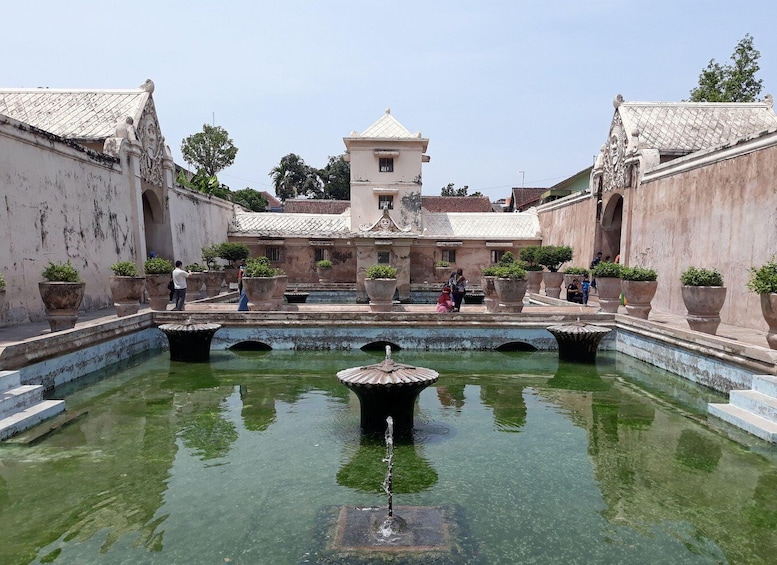

Excursion d'une journée complète au lever du soleil de Borobudur depuis la colline de Setumbu, le volcan Merapi et Prambanan
116 €
par adulte