
Réservez vos activités et excursions : Rue d’Alcalá
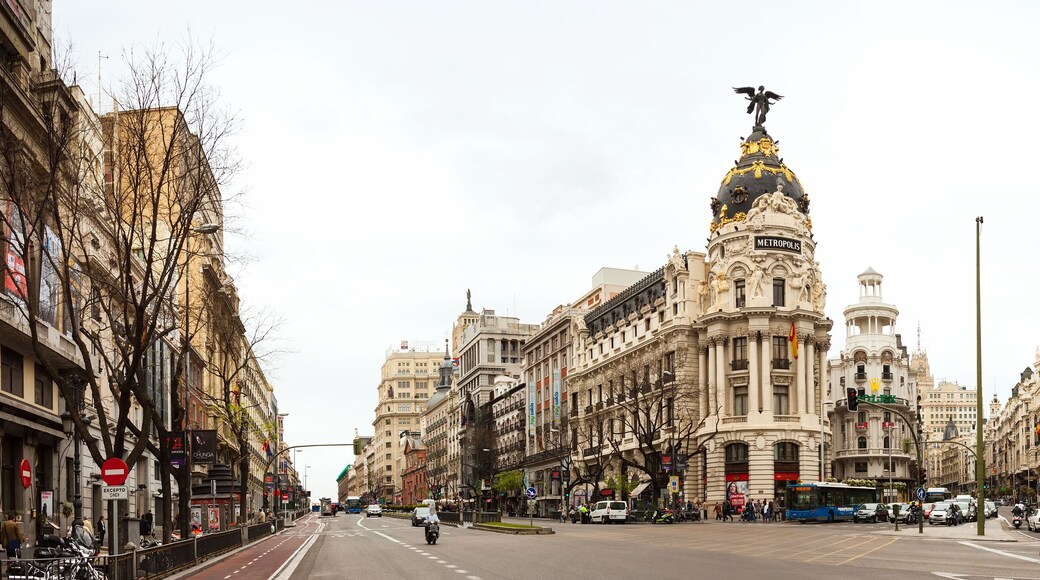
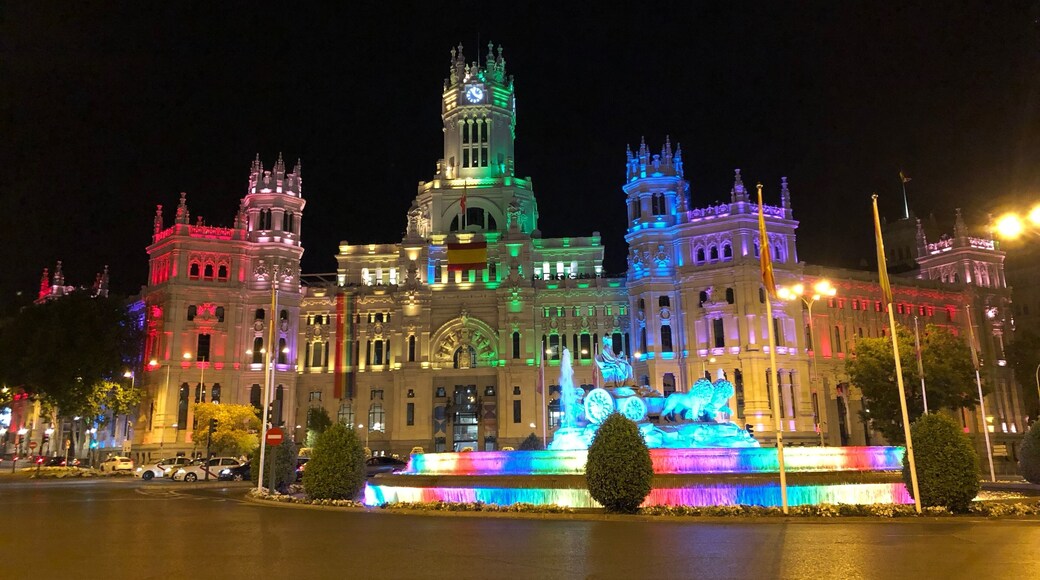
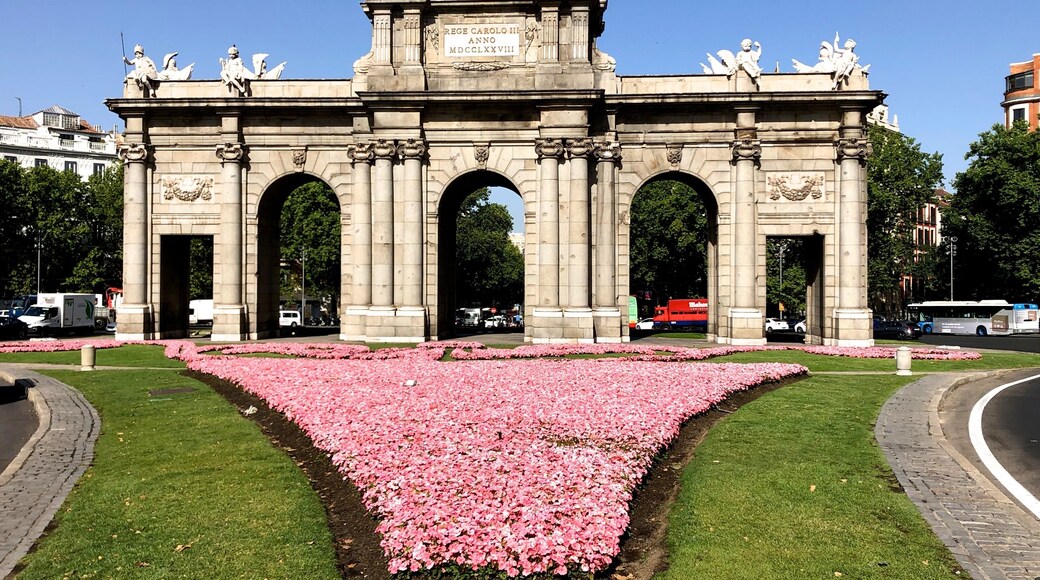
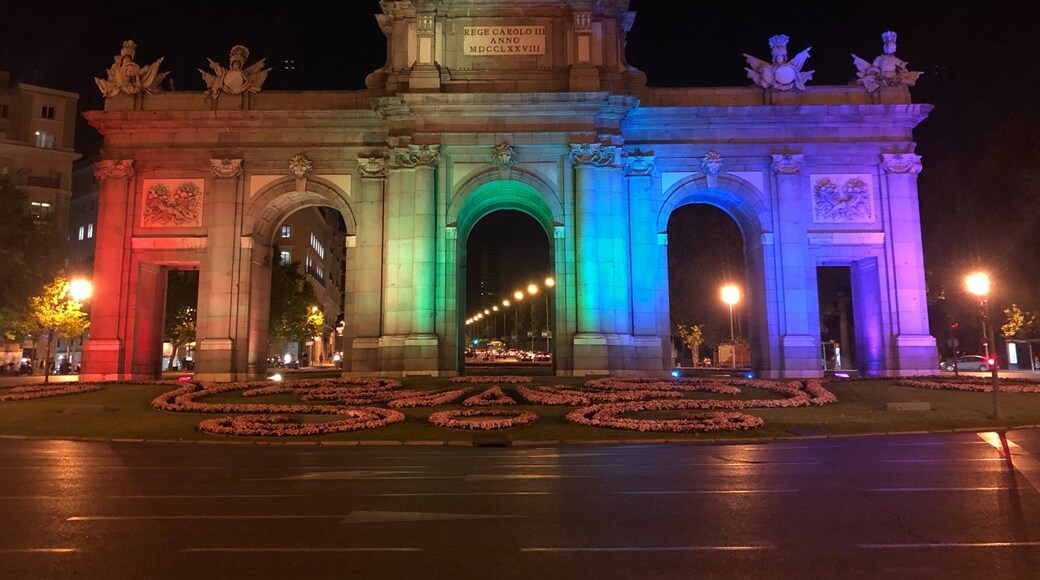
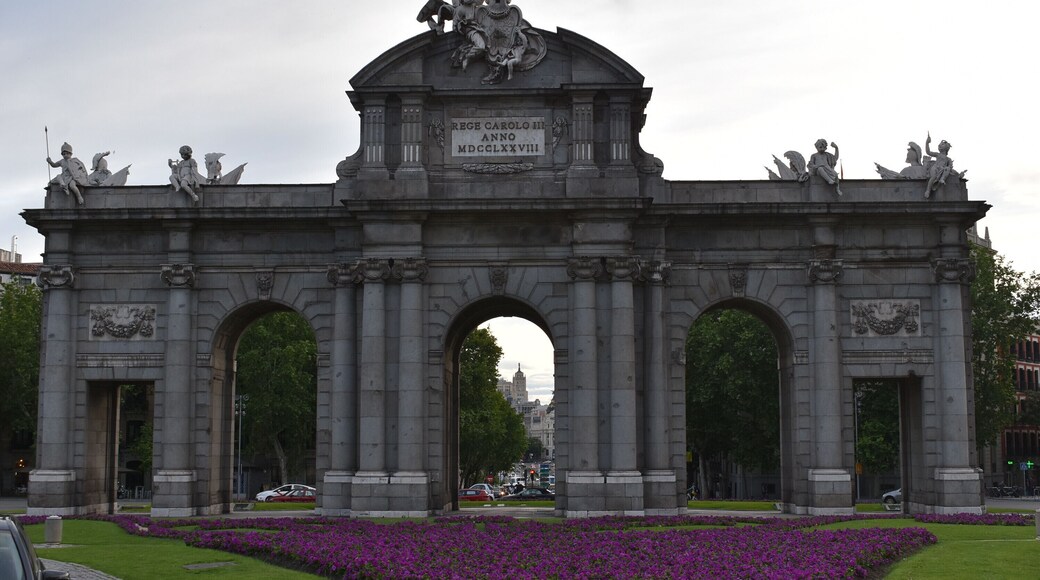
Découvrez cette destination : Rue d’Alcalá
Planifier un voyage pour découvrir Rue d’Alcalá
Prix trouvés au cours des dernières 48 heures. Cliquez sur la formule de votre choix pour voir les prix à jour.

Home Art Apartments Salamanca
Salamanca
Économisez 100 % sur votre vol
Le prix était de 759 €. Le prix est maintenant de 413 € par personne.
413 €
par personne
4 déc. - 8 déc.
trouvé il y a 18 heures
Vol aller-retour compris
De Paris (CDG) à Aéroport Adolfo-Suárez de Madrid-Barajas (MAD)
8,8/10 Excellent ! (165 avis)
Bon emplacement à coté du métro, quartier calme mais avec des commerces.
Avis laissé le 26 juil. 2026
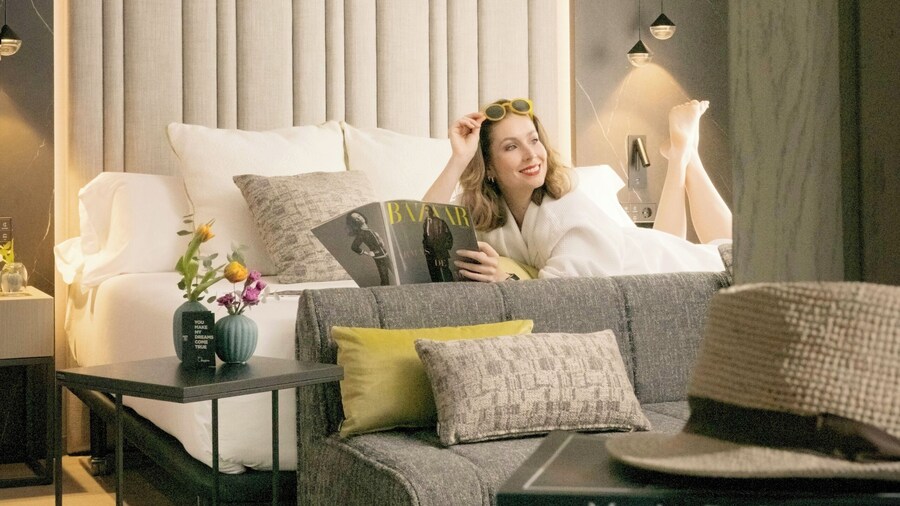
Hotel Regina
Madrid Centro
Économisez 100 % sur votre vol
Le prix était de 1 037 €. Le prix est maintenant de 640 € par personne.
640 €
par personne
1 janv. - 6 janv.
trouvé il y a 4 heures
Vol aller-retour compris
De Nice (NCE) à Aéroport Adolfo-Suárez de Madrid-Barajas (MAD)
9,8/10 Exceptionnel ! (2 446 avis)
Hôtel très bien situé. Chambres très bien isolées. Il faudrait juste un petit déjeuner plus varié pour les séjours de plusieurs jours.
Avis laissé le 12 mai 2026
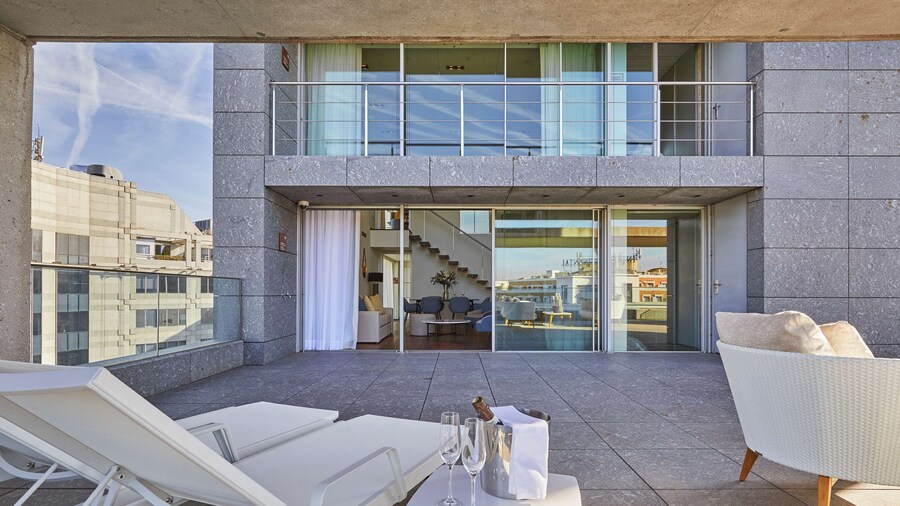
Hyatt Regency Madrid Residences
Salamanca
Économisez 100 % sur votre vol
Le prix était de 2 995 €. Le prix est maintenant de 1 938 € par personne.
1 938 €
par personne
28 déc. - 2 janv.
trouvé il y a 1 jour
Vol aller-retour compris
De Lyon (LYS) à Aéroport Adolfo-Suárez de Madrid-Barajas (MAD)
9,4/10 Exceptionnel ! (136 avis)
Agréable appartement.
Avis laissé le 7 mars 2025
Visites d’une journée et excursions
Voir les 479 activités
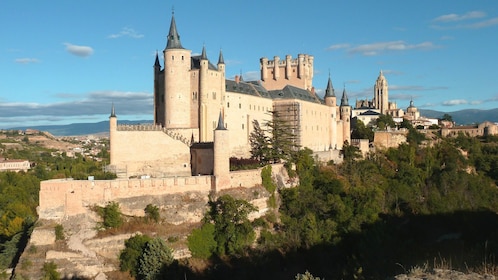
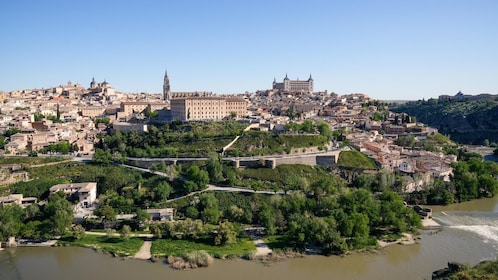
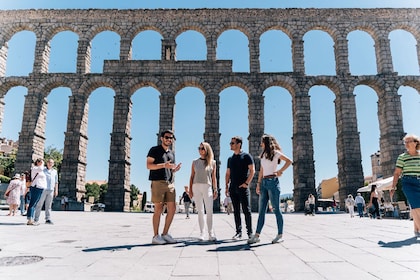
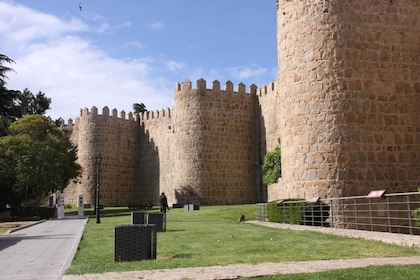
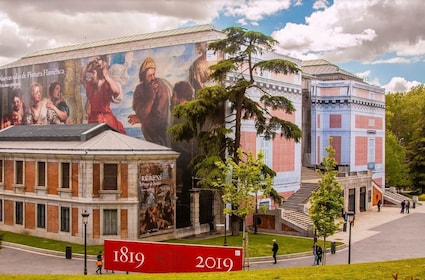
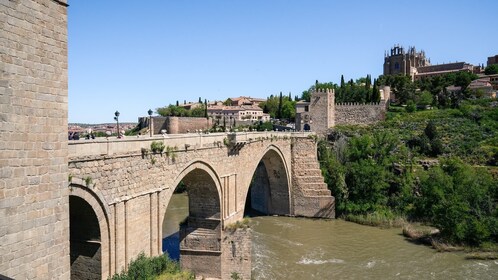
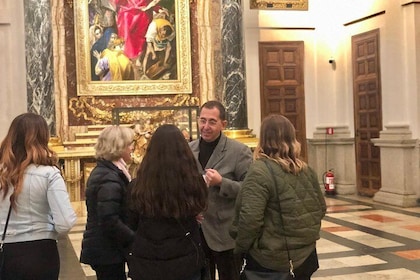
Excursion d’une journée à Tolède, Ségovie et visite facultative d'Avila - 3...
Durée de l’activité : 11 heures
9.4 sur 10 pour 970 avis
Annulation gratuite disponible

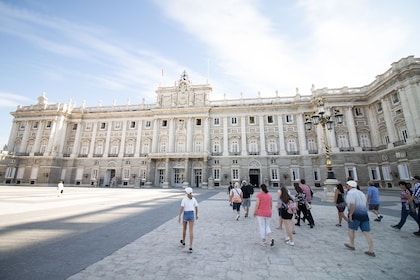


Visites privées et personnalisées
Voir les 143 activités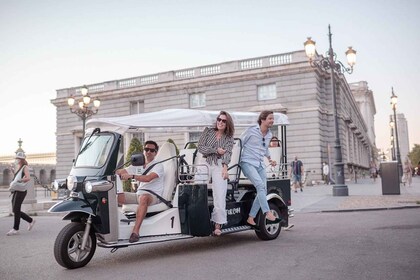
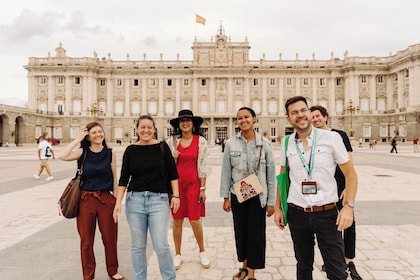
Madrid : Ville privée excursion par Eco Tuk Tuk
Durée de l’activité : 1 heure
9.8 sur 10 pour 1109 avis
Annulation gratuite disponible





Gastronomie et vie nocturne
Voir les 116 activités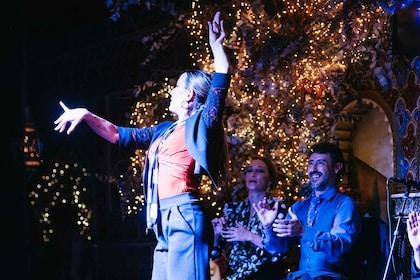
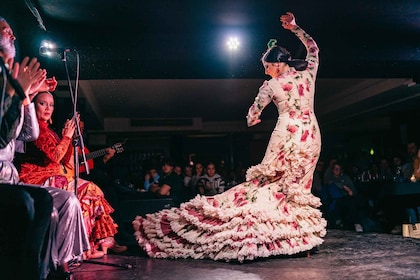
Madrid : spectacle de flamenco en direct avec formules de restauration et d...
Durée de l’activité : 1 heure
9.0 sur 10 pour 2428 avis
Annulation gratuite disponible





Cours et ateliers
Voir les 35 activités
Cours de cuisine pratique à 100 % : Paella, Tapas, Sangria à Madrid
Durée de l’activité : 4 heures
10.0 sur 10 pour 553 avis
Annulation gratuite disponible


Aventure et activités de plein air
Voir les 35 activitésMadrid : Ville privée excursion par Eco Tuk Tuk
Durée de l’activité : 1 heure
9.8 sur 10 pour 1109 avis
Annulation gratuite disponible





Séjournez à proximité d’attractions populaires à Rue d’Alcalá
Meilleures offres d'hôtels
Rue d’Alcalá : vérifiez la disponibilité des hôtels à proximité

Latroupe Prado
Paseo de las Delicias 1 Madrid

Hotel Regina
Alcala 19 Madrid Madrid

Hotel Riu Plaza España
C/ Gran Via, 84 Madrid
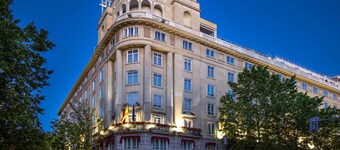
Wellington Hotel & Spa Madrid
Velazquez 8 Madrid Madrid

Novotel Madrid Center
O'donnell 53 Madrid Madrid

Hard Rock Hotel Madrid
Ronda de Atocha 17 Madrid

Live It Gran Via
Calle Gran Vía 36 Madrid

H10 Puerta de Alcalá 4* Sup
Alcala, 66 Madrid Madrid

Urban Hive Madrid
Cuesta de Santo Domingo 9 Madrid
Prix le plus bas trouvé au cours des 24 dernières heures sur la base d’un séjour d’une nuit pour 2 adultes. Les prix et la disponibilité sont susceptibles de changer. D’autres conditions peuvent s’appliquer.