Réservez vos activités et excursions : Chilika Lake
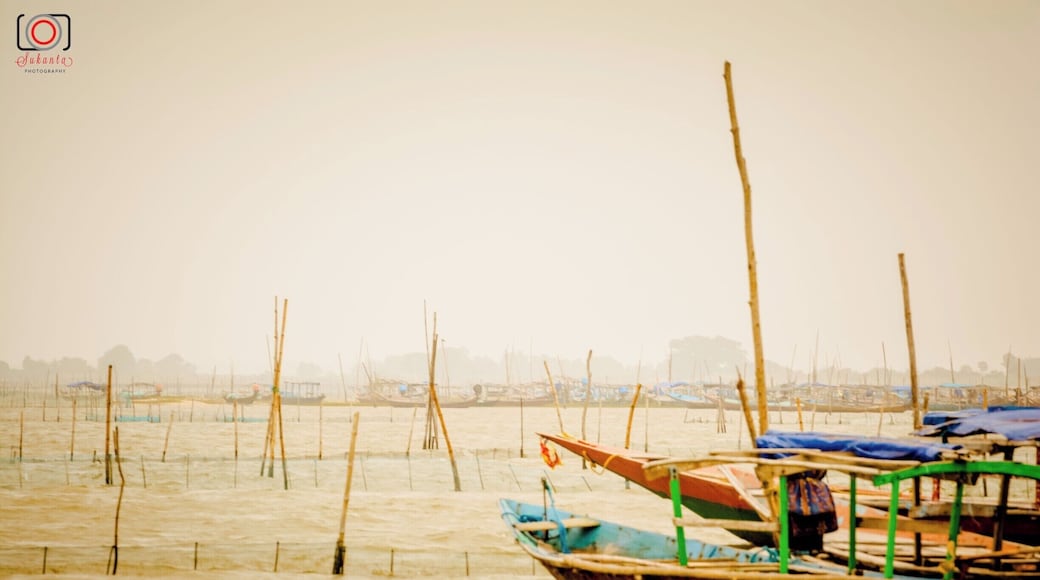
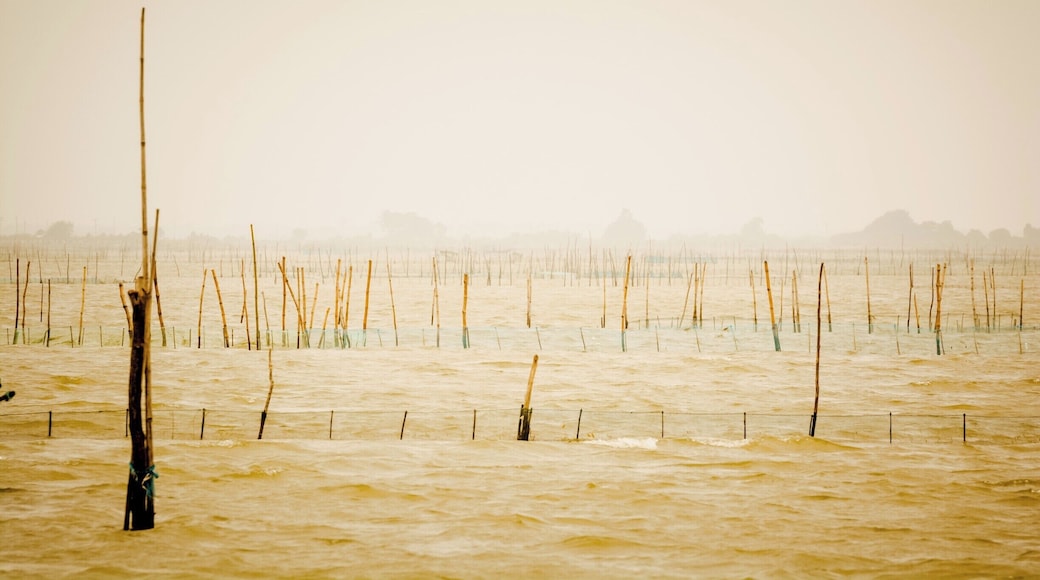
![Chilika lake is a brackish water lagoon, spread over the Puri, Khurda and Ganjam districts of Odisha state on the east coast of India, at the mouth of the Daya River, flowing into the Bay of Bengal, covering an area of over 1,100 km2. It is the largest coastal lagoon in India and the second largest lagoon in the world[3][4][dubious â discuss] after The New Caledonian barrier reef in New Caledonia.
It is the largest wintering ground for migratory birds on the Indian sub-continent. The lake is home to a number of threatened species of plants and animals.
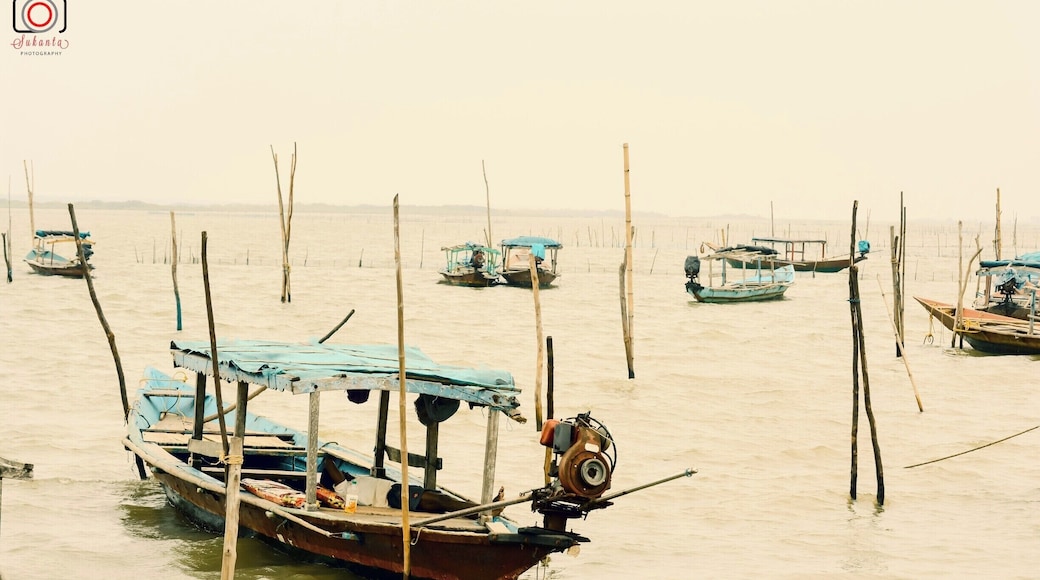
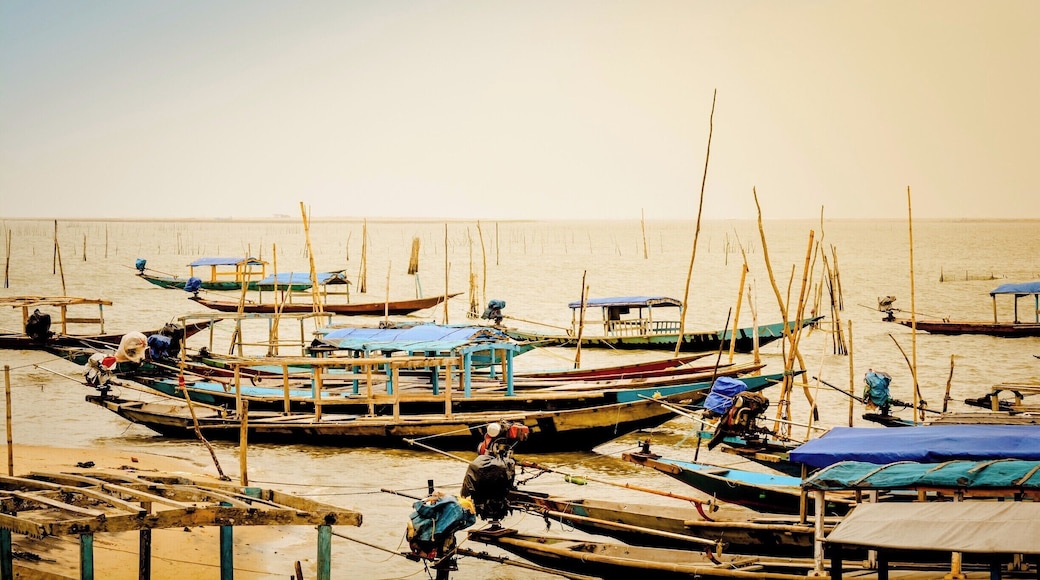
The lake is an ecosystem with large fishery resources. It sustains more than 150,000 fisherâfolk living in 132 villages on the shore and islands.
The lagoon hosts over 160 species of birds in the peak migratory season. Birds from as far as the Caspian Sea, Lake Baikal, Aral Sea and other remote parts of Russia, Kirghiz steppes of Mongolia, Central and southeast Asia, Ladakh and Himalayas come here. These birds travel great distances; migratory birds probably follow much longer routes than the straight lines, possibly up to 12,000 km, to reach Chilika Lake.
In 1981, Chilika Lake was designated the first Indian wetland of international importance under the Ramsar Convention.
According to a survey, 45 percent of the birds are terrestrial in nature, 32 percent are waterfowl, and 23 percent are waders. The lagoon is also home to 14 types of raptors. Around 152 rare and endangered Irrawaddy dolphins have also been reported. Plus, the lagoon supports about 37 species of reptiles and amphibians.
The highly productive chilika lagoon eco-system with its rich fishery resources sustains the livelihood for many fisher men who live in and near the Lagoon. The water spread area of the Lagoon ranges between 1165 and 906 km2 during the monsoon and summer respectively. A 32 km long, narrow, outer channel connects the lagoon to the Bay of Bengal, near the village Motto. More recently a new mouth has been opened by CDA which has brought a new lease of life to the lagoon.
Microalgae, marine seaweeds, sea grasses, fishes and crabs also flourish in the brackish water of the Chilika Lagoon. Especially the recovery of sea grass beds in recent years is a welcoming trend which may eventually result in re-colorizations of endangered dugongs.](https://images.trvl-media.com/place/553248621562261891/ef3915b3-f286-46bf-b160-3d523bfb52c8.jpg?impolicy=fcrop&w=1040&h=580&q=mediumHigh)
![Chilika lake is a brackish water lagoon, spread over the Puri, Khurda and Ganjam districts of Odisha state on the east coast of India, at the mouth of the Daya River, flowing into the Bay of Bengal, covering an area of over 1,100 km2. It is the largest coastal lagoon in India and the second largest lagoon in the world[3][4][dubious â discuss] after The New Caledonian barrier reef in New Caledonia.
It is the largest wintering ground for migratory birds on the Indian sub-continent. The lake is home to a number of threatened species of plants and animals.
The lake is an ecosystem with large fishery resources. It sustains more than 150,000 fisherâfolk living in 132 villages on the shore and islands.
The lagoon hosts over 160 species of birds in the peak migratory season. Birds from as far as the Caspian Sea, Lake Baikal, Aral Sea and other remote parts of Russia, Kirghiz steppes of Mongolia, Central and southeast Asia, Ladakh and Himalayas come here. These birds travel great distances; migratory birds probably follow much longer routes than the straight lines, possibly up to 12,000 km, to reach Chilika Lake.
In 1981, Chilika Lake was designated the first Indian wetland of international importance under the Ramsar Convention.
According to a survey, 45 percent of the birds are terrestrial in nature, 32 percent are waterfowl, and 23 percent are waders. The lagoon is also home to 14 types of raptors. Around 152 rare and endangered Irrawaddy dolphins have also been reported. Plus, the lagoon supports about 37 species of reptiles and amphibians.
The highly productive chilika lagoon eco-system with its rich fishery resources sustains the livelihood for many fisher men who live in and near the Lagoon. The water spread area of the Lagoon ranges between 1165 and 906 km2 during the monsoon and summer respectively. A 32 km long, narrow, outer channel connects the lagoon to the Bay of Bengal, near the village Motto. More recently a new mouth has been opened by CDA which has brought a new lease of life to the lagoon.
Microalgae, marine seaweeds, sea grasses, fishes and crabs also flourish in the brackish water of the Chilika Lagoon. Especially the recovery of sea grass beds in recent years is a welcoming trend which may eventually result in re-colorizations of endangered dugongs.](https://images.trvl-media.com/place/553248621562261891/ef3915b3-f286-46bf-b160-3d523bfb52c8.jpg?impolicy=fcrop&w=1040&h=580&q=mediumHigh)

![Chilika lake is a brackish water lagoon, spread over the Puri, Khurda and Ganjam districts of Odisha state on the east coast of India, at the mouth of the Daya River, flowing into the Bay of Bengal, covering an area of over 1,100 km2. It is the largest coastal lagoon in India and the second largest lagoon in the world[3][4][dubious â discuss] after The New Caledonian barrier reef in New Caledonia.
It is the largest wintering ground for migratory birds on the Indian sub-continent. The lake is home to a number of threatened species of plants and animals.
The lake is an ecosystem with large fishery resources. It sustains more than 150,000 fisherâfolk living in 132 villages on the shore and islands.
The lagoon hosts over 160 species of birds in the peak migratory season. Birds from as far as the Caspian Sea, Lake Baikal, Aral Sea and other remote parts of Russia, Kirghiz steppes of Mongolia, Central and southeast Asia, Ladakh and Himalayas come here. These birds travel great distances; migratory birds probably follow much longer routes than the straight lines, possibly up to 12,000 km, to reach Chilika Lake.
In 1981, Chilika Lake was designated the first Indian wetland of international importance under the Ramsar Convention.
According to a survey, 45 percent of the birds are terrestrial in nature, 32 percent are waterfowl, and 23 percent are waders. The lagoon is also home to 14 types of raptors. Around 152 rare and endangered Irrawaddy dolphins have also been reported. Plus, the lagoon supports about 37 species of reptiles and amphibians.
The highly productive chilika lagoon eco-system with its rich fishery resources sustains the livelihood for many fisher men who live in and near the Lagoon. The water spread area of the Lagoon ranges between 1165 and 906 km2 during the monsoon and summer respectively. A 32 km long, narrow, outer channel connects the lagoon to the Bay of Bengal, near the village Motto. More recently a new mouth has been opened by CDA which has brought a new lease of life to the lagoon.
Microalgae, marine seaweeds, sea grasses, fishes and crabs also flourish in the brackish water of the Chilika Lagoon. Especially the recovery of sea grass beds in recent years is a welcoming trend which may eventually result in re-colorizations of endangered dugongs.](https://images.trvl-media.com/place/553248621562261891/47918477-5cc7-4944-b0a3-e45d362e4994.jpg?impolicy=fcrop&w=1040&h=580&q=mediumHigh)
![Chilika lake is a brackish water lagoon, spread over the Puri, Khurda and Ganjam districts of Odisha state on the east coast of India, at the mouth of the Daya River, flowing into the Bay of Bengal, covering an area of over 1,100 km2. It is the largest coastal lagoon in India and the second largest lagoon in the world[3][4][dubious â discuss] after The New Caledonian barrier reef in New Caledonia.
It is the largest wintering ground for migratory birds on the Indian sub-continent. The lake is home to a number of threatened species of plants and animals.
The lake is an ecosystem with large fishery resources. It sustains more than 150,000 fisherâfolk living in 132 villages on the shore and islands.
The lagoon hosts over 160 species of birds in the peak migratory season. Birds from as far as the Caspian Sea, Lake Baikal, Aral Sea and other remote parts of Russia, Kirghiz steppes of Mongolia, Central and southeast Asia, Ladakh and Himalayas come here. These birds travel great distances; migratory birds probably follow much longer routes than the straight lines, possibly up to 12,000 km, to reach Chilika Lake.
In 1981, Chilika Lake was designated the first Indian wetland of international importance under the Ramsar Convention.
According to a survey, 45 percent of the birds are terrestrial in nature, 32 percent are waterfowl, and 23 percent are waders. The lagoon is also home to 14 types of raptors. Around 152 rare and endangered Irrawaddy dolphins have also been reported. Plus, the lagoon supports about 37 species of reptiles and amphibians.
The highly productive chilika lagoon eco-system with its rich fishery resources sustains the livelihood for many fisher men who live in and near the Lagoon. The water spread area of the Lagoon ranges between 1165 and 906 km2 during the monsoon and summer respectively. A 32 km long, narrow, outer channel connects the lagoon to the Bay of Bengal, near the village Motto. More recently a new mouth has been opened by CDA which has brought a new lease of life to the lagoon.
Microalgae, marine seaweeds, sea grasses, fishes and crabs also flourish in the brackish water of the Chilika Lagoon. Especially the recovery of sea grass beds in recent years is a welcoming trend which may eventually result in re-colorizations of endangered dugongs.](https://images.trvl-media.com/place/553248621562261891/be26028a-d4c3-45b1-a6b2-96b08f902d20.jpg?impolicy=fcrop&w=1040&h=580&q=mediumHigh)
Découvrez cette destination : Chilika Lake
Les endroits populaires Ă visiter
Nalabana Bird Sanctuary
Une petite sortie en vue ? Inscrivez Nalabana Bird Sanctuary au planning de votre voyage Ă Tangi.
Temple de Jagannath
AprĂšs avoir visitĂ© Temple de Jagannath, pensez Ă jeter un Ćil aux autres curiositĂ©s et activitĂ©s Ă Puri. Profitez de votre sĂ©jour dans la rĂ©gion pour vous offrir une balade revigorante le long de ses plages.
Vimala Temple
AprĂšs avoir visitĂ© Vimala Temple, pensez Ă jeter un Ćil aux autres curiositĂ©s et activitĂ©s Ă Puri. Profitez de votre sĂ©jour dans la rĂ©gion pour vous offrir une balade revigorante le long de ses plages.
Narendra Sagar
Lors de votre sĂ©jour Ă Puri, ne manquez pas de vous dĂ©tendre lors dâactivitĂ©s en plein air au cĆur des superbes espaces verts que cache Narendra Sagar. Profitez de votre sĂ©jour dans la rĂ©gion pour vous offrir une balade revigorante le long de ses plages.
Sudarshan Crafts Museum
Vous pourrez consacrer une aprÚs-midi à observer les objets exposés à Sudarshan Crafts Museum durant votre séjour à Puri. Explorez la région et laissez-vous surprendre par la beauté de ses levers du soleil ou prenez le temps de découvrir ses temples.
Vishnu Temple
AprĂšs avoir visitĂ© Vishnu Temple, pensez Ă jeter un Ćil aux autres curiositĂ©s et activitĂ©s Ă Puri. Profitez de votre sĂ©jour dans la rĂ©gion pour vous offrir une balade revigorante le long de ses plages.
Meilleures offres d'hĂŽtels
Chilika Lake : vérifiez la disponibilité des hÎtels à proximité

Swosti Chilika Resort

SAMUDRA RESORTS AND SPA

Sterling Puri

Swosti Premium Beach Resorts Puri

Hello by Ananya

Taj Puri Resort & Spa, Odisha

Fortune Beachfront, Puri - Member ITC Hotels' Group

Puri Hotel Manjulata Residency